The ancient Chinese art of Feng Shui has permeated the realm of modern design, offering a compelling approach to creating harmonious living spaces. Adhering to principles that emphasize balance and energy flow, Feng Shui has become a powerful tool for those aiming to construct luxury homes that are not only visually stunning but also imbue a sense of calm and prosperity.
Understanding Feng Shui Principles
Feng Shui is centered around the concept of Qi (pronounced ‘chi’), which is the life force believed to flow through our surrounding environment. Good Feng Shui aims to harness this energy to enhance well-being. The system employs five elements – wood, fire, earth, metal, and water – along with eight cardinal directions, all of which are balanced to create a harmonious environment. Additionally, the Bagua Map serves as a reference to identify which aspects of a space govern different areas of life, like health, wealth, and relationships.
Evaluating Site and Orientation
In luxury home design, the location and orientation of a property set the foundation for good Feng Shui. Ideally, a property should be situated on level ground and face favorable compass directions, as determined by the Bagua Map, to optimize energy flow. Take the example of a study by the University of Southern California on urban planning. Homes with a strong alignment to natural light directions – preferably with the rear facing southeast – often see enhanced value due to increased buyer interest rooted in these principles.
Integrating Feng Shui in Architectural Design
Incorporating Feng Shui starts at the architectural blueprint level. Ensuring a clear pathway for Qi to flow is essential, which often involves open floor plans in luxury homes. However, this openness should not lead to energy loss. For instance, straight pathways between the front and back doors or windows should be avoided to prevent energy from rushing out of the home. Incorporating soft transitions, such as using screens or strategically placed pieces of furniture, helps maintain energetic balance.
The Role of the Five Elements
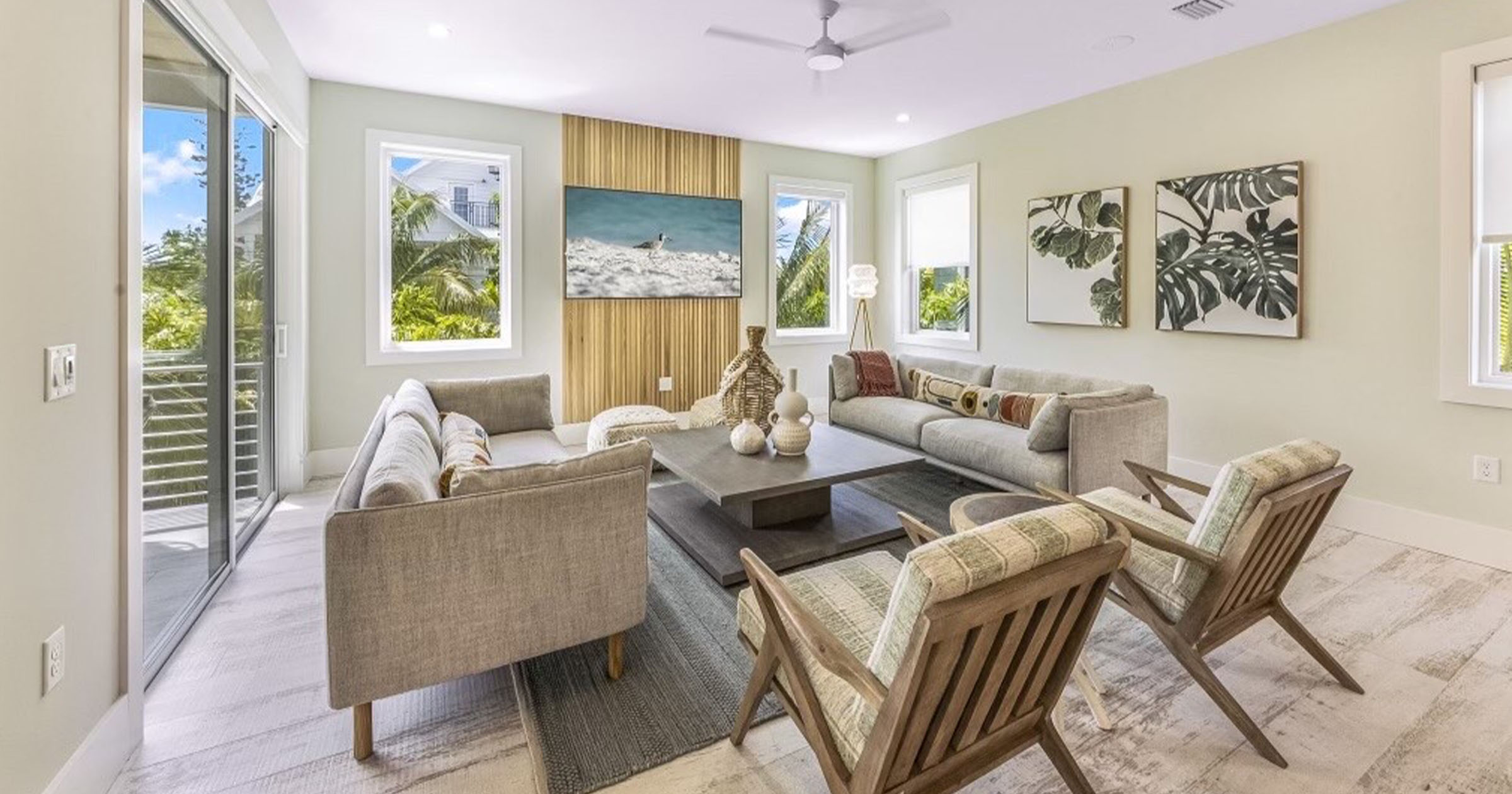
Balancing the five elements within the home’s design brings dynamic harmony. Each room can represent an element, such as using wooden features in community spaces like living rooms or kitchens. This can be exemplified by Florida’s indigenous cypress wood, known for its durability and unique finish, which complements the sustainable luxury home ethos.
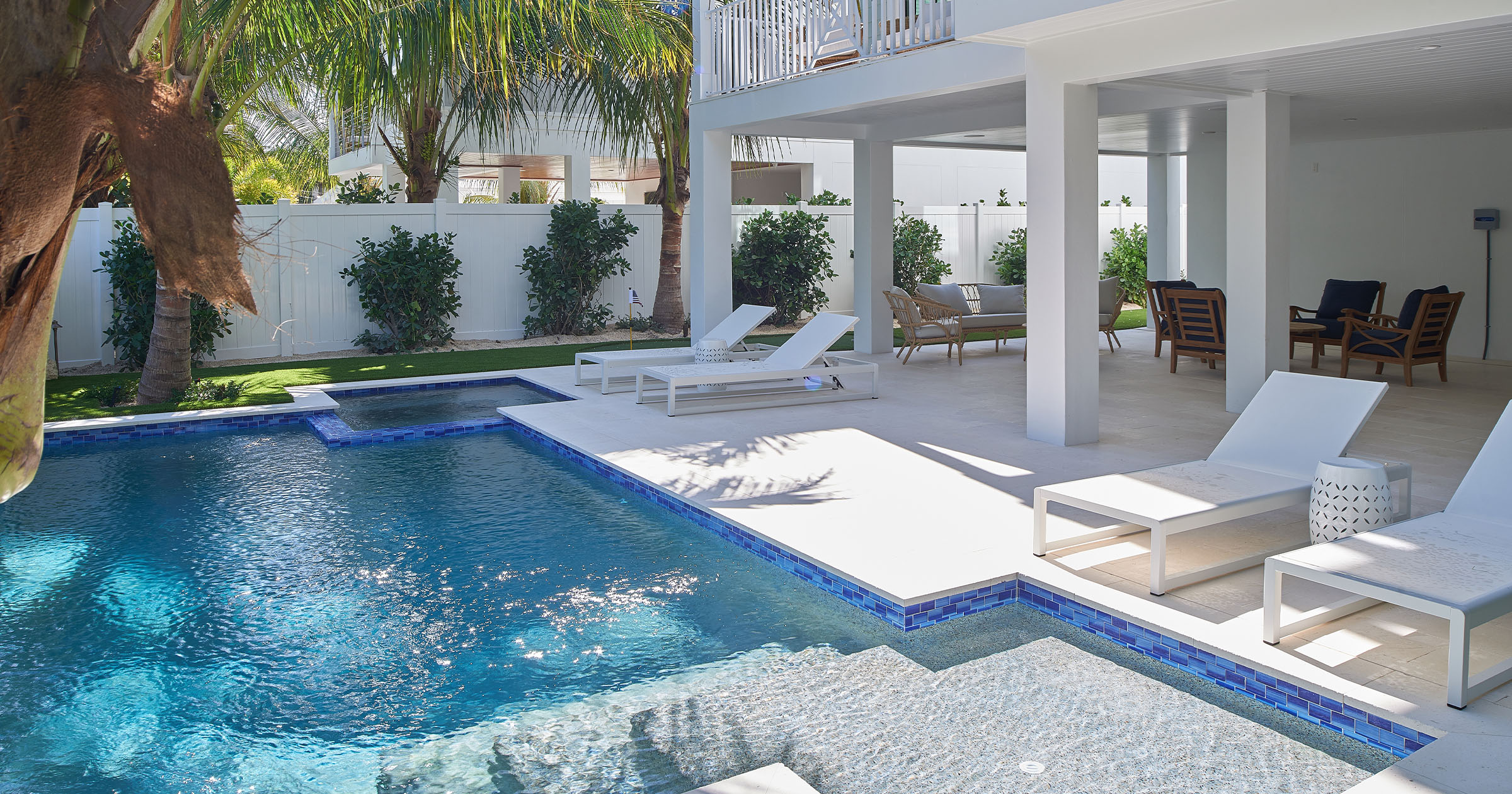
Incorporating water features like a serene pool or a small indoor fountain in entryways can attract prosperity and maintain a relaxation area. However, balance is critical – excessive water elements can overpower fire energy, dampening the warmth of a social space like a dining room.
Optimizing Interiors with Feng Shui
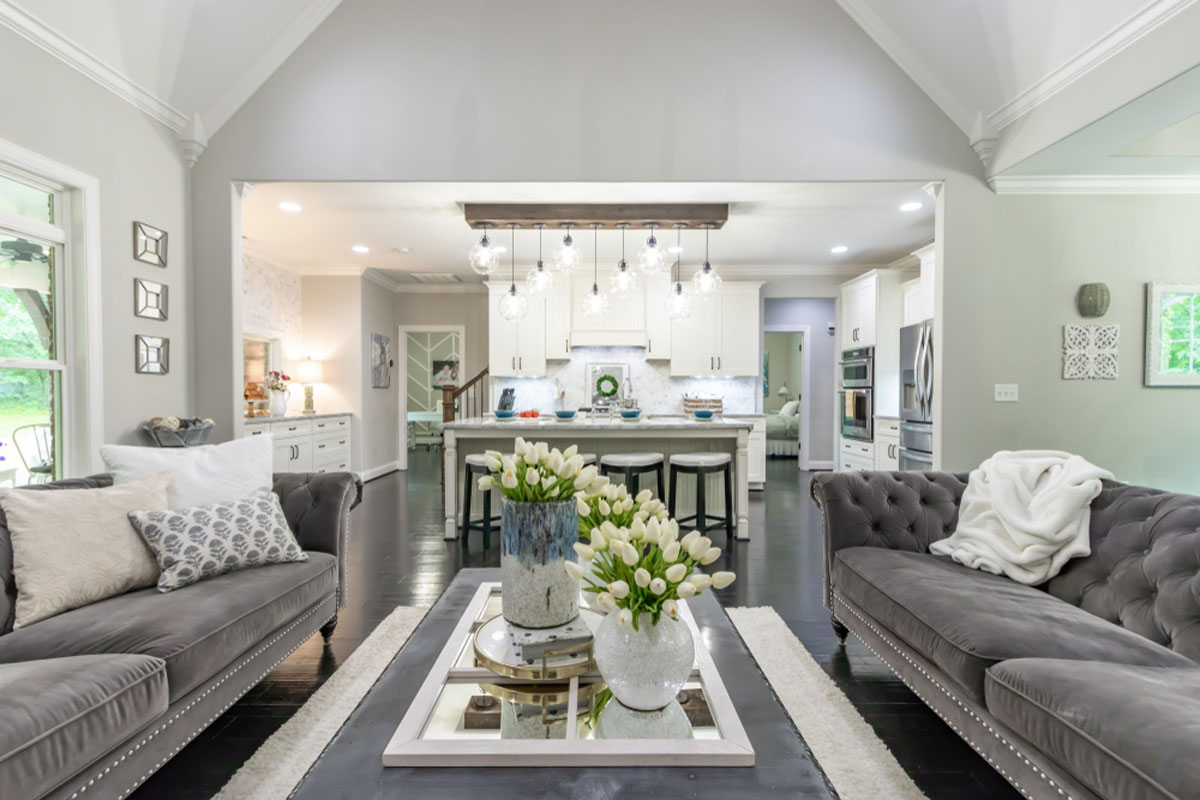
The interior layout further influences energy distribution. Furniture should promote flow and support a welcoming environment. For instance, design configurations in line with the command position principle, where primary seating or workspaces face the door with a solid wall behind, offers security and control.
Considerations in material choices are also part of this optimization. Natural materials, such as stone flooring or wool textiles, offer grounding energy. In a study published by Cal Poly Pomona’s College of Environmental Design, use of natural materials was linked to increased occupant well-being.
Color and Mood in Feng Shui
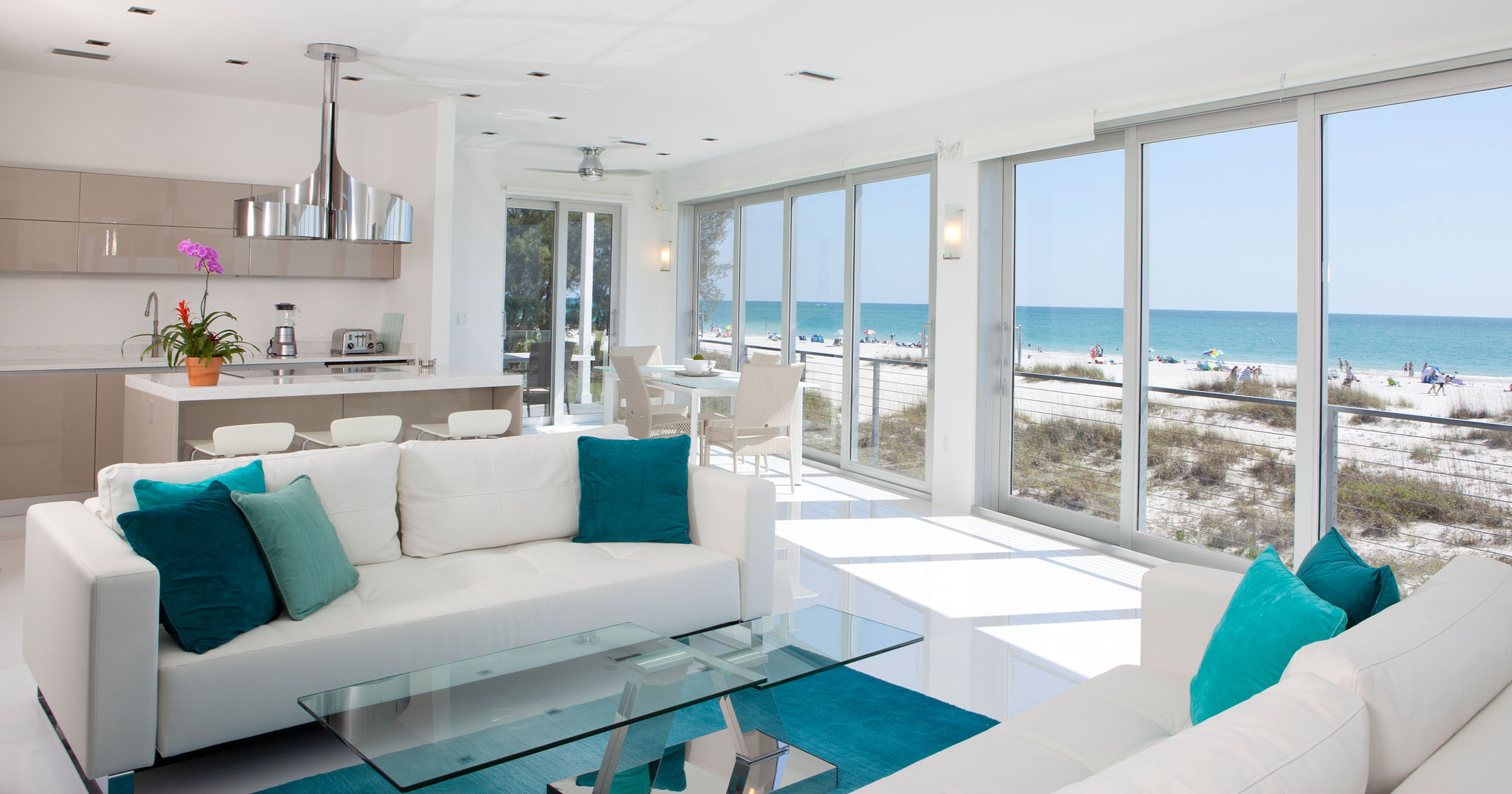
Color schemes also play a crucial role, with each color supporting different energies. For example, a master suite might incorporate blues and greens to encourage tranquility and creativity. Meanwhile, reds and oranges in a home office or dining area stimulate activity and conversation. This delicate balance of color within luxury homes should merge with personal tastes without compromising aesthetic integrity or energetic purpose.
Impact of Feng Shui on Resale Value
Beyond personal enrichment, homes that incorporate Feng Shui often see higher market appeal. Prospective buyers appreciate homes that effortlessly blend aesthetic appeal with deeper lifestyle benefits. As indicated by studies from the National Association of Realtors, homes marketed with intentional design principles like Feng Shui may sell faster and at a premium compared to traditional settings.
Conclusion
Feng Shui offers a timeless approach to luxury home design, merging architectural beauty with functional energy balance. Each element, from site evaluation to room layout and material choice, serves to enhance the well-being of the home’s occupants. By integrating these principles thoughtfully, homeowners can enjoy a living space that not only meets their lifestyle aspirations but also fosters a harmonious and prosperous environment for years to come. Through such integration, Feng Shui remains an enduring part of the luxury home design repertoire, reinforcing the value of spaces crafted with universal principles of harmony in mind.