
When embarking on the journey of building a custom home, the role of a project manager can be as vital as the foundation itself. A project manager acts as the linchpin for the smooth execution of your custom home build. They are entrusted with maintaining organization, facilitating communication, and ensuring timelines are effectively met. Amidst the complexities of construction, their presence can significantly shape the outcome of your dream home.
Organization: Laying the Groundwork
The construction of a custom home involves numerous moving parts, from selecting designs to managing construction materials. A project manager acts as the organizer in this intricate dance. According to a study on construction productivity by the Journal of Construction Engineering and Management, projects managed under effective organization show significantly higher completion rates on schedule.
Project managers develop detailed plans and keep track of every phase, ensuring all aspects of construction align with the overall vision. They coordinate meetings, schedule deliveries, and oversee subcontractors, maintaining a coherent flow of activities. This eliminates delays and cost overruns, which are common pitfalls in improperly managed projects.
Consider the process of obtaining necessary permits. This often involves navigating local government regulations and zoning laws. A well-informed project manager manages these details efficiently, ensuring permit procurement is timely, preventing potential holdups.
Communication: Building a Network
Effective communication is key in the multifaceted process of custom home construction. The American Management Association highlights that projects with enhanced communication see a 17% higher success rate compared to those with weak communication strategies.
Project managers act as the central point of communication, linking homeowners, architects, contractors, and suppliers. They facilitate meetings, update all parties on project milestones, and anticipate communication breakdowns that might derail the project. This ensures that each stakeholder is on the same page throughout the construction process.
For instance, should an unforeseen issue arise, such as a supply chain delay, it is the project manager’s duty to communicate this promptly and effectively. They negotiate solutions, keeping everyone informed and adjustments seamless, rather than chaotic.
Timelines: Meeting Deadlines With Precision
Adhering to timelines is a cornerstone of successful project completion. Project managers meticulously plan schedules and anticipate potential interruptions, ensuring that each stage of construction adheres to the pre-established timetable.
Research conducted by the Project Management Institute indicates that projects led by seasoned managers are 20% more likely to remain close to initial timelines. The vigilance of a project manager in overseeing operations allows for the surplus of tasks to be effectively managed without hiccups.
For example, a project manager may decide to start foundation work alongside material procurement, optimizing idle time during the curing process. This efficient scheduling allows the project to have continuous progress and avoids backlogs.
Contingency Planning: Navigating the Unexpected
Even the best-laid plans can encounter the unexpected. A competent project manager has the experience and foresight to incorporate contingency plans, ensuring that unforeseen challenges do not impede progress.
Consider weather delays, a frequent disruptor in coastal regions like Sarasota. A project manager assesses weather patterns, allocates buffer time in the construction schedule, and develops mitigation strategies, such as adjusting work hours or deploying quick-dry materials, to compensate for rain delays.
Additionally, they are adept at financial management. With the knowledge that construction projects often face budgetary surprises, project managers maintain a contingency fund to cover unplanned expenses, keeping the project financially viable.
Ensuring Quality: Evaluating Standards
Beyond logistics, project managers focus on the quality of construction. They scrutinize work at each stage, ensuring it meets agreed standards and specifications. Regular inspections and updates reassure homeowners that their future home is being built to the highest quality standards.
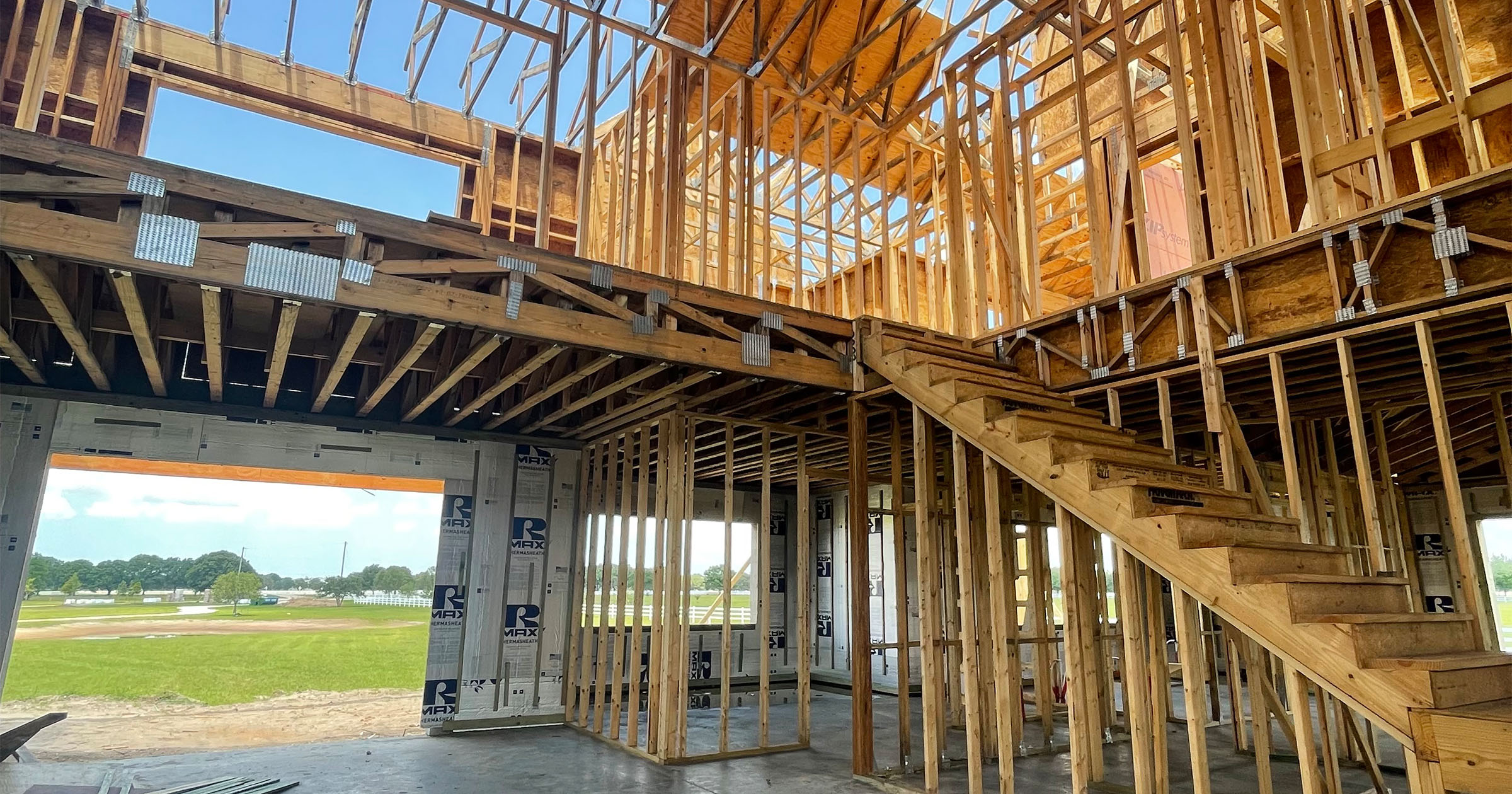
For instance, during the framing stage, a project manager might ensure that all load-bearing walls align with engineering plans, thereby avoiding structural issues later. This oversight guarantees that every detail of the home aligns with the homeowner’s vision and complies with safety and quality regulations.
In summary, a dedicated project manager serves as the guardian of your custom home building process. Their expertise in organization, communication, and timeline management ensures that the myriad details involved converge seamlessly to realize your dream residence. This expertise provides not just peace of mind, but also assurance that the end result is a meticulously crafted sanctuary ready to stand the test of time.
By entrusting your project to a skilled manager, you engage a partner dedicated to delivering excellence at every step—a testament to the value they bring in transforming blueprints into beautiful, bespoke homes.