In recent years, open-concept living has emerged as a preferred design choice for luxury custom homes. This architectural style emphasizes interconnected spaces to create a seamless flow between living areas. By favoring openness over compartmentalization, open-concept designs maximize the use of space and light, transforming homes into spacious, bright environments. This article explores the benefits of open-concept design, such as increased natural light, enhanced spaciousness, and strategies to maintain a luxurious feel in these open spaces.
The Appeal of Natural Light
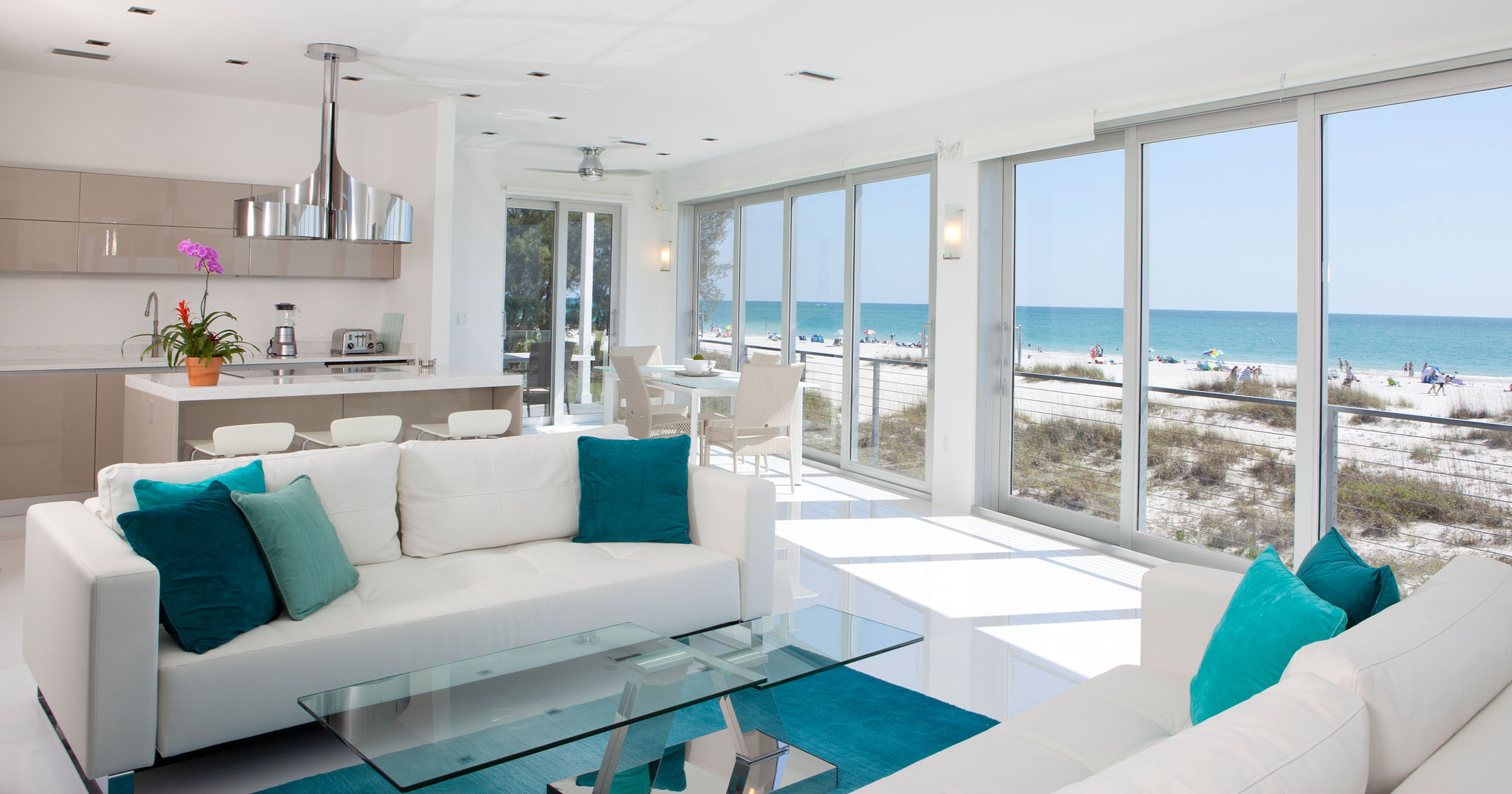
Natural light is a coveted feature in any home. It not only enhances the visual appeal but also significantly impacts the mood and well-being of inhabitants. Open-concept designs facilitate unhindered flow of light by reducing barriers such as walls and partitions. A study published in the Journal of Environmental Psychology emphasizes the positive effects of natural light on health, linking it to improved mood and productivity. Incorporating expansive windows, skylights, and glass doors in open layouts can significantly enhance the amount of natural light entering a home, thereby creating a warm and inviting ambiance.
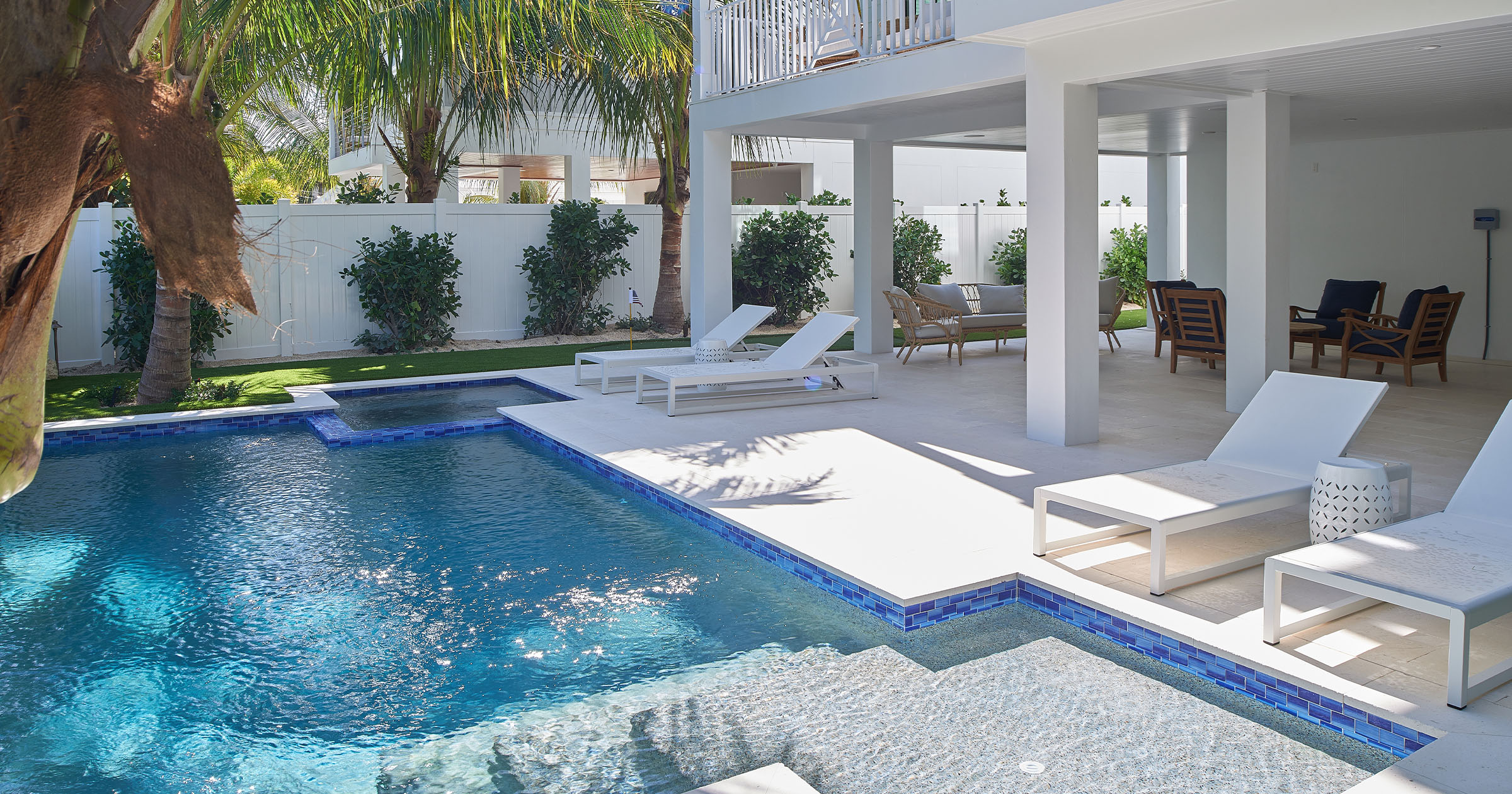
In an open-concept home, the design allows sunlight to penetrate deeper into the living spaces. For instance, connecting the living room, kitchen, and dining areas without walls creates a path for light to travel more freely. This approach not only lights up the interior spaces but also connects occupants more closely with the outdoor environment, which is especially valuable in regions with picturesque landscapes like Sarasota, Florida.
Maximizing Spaciousness
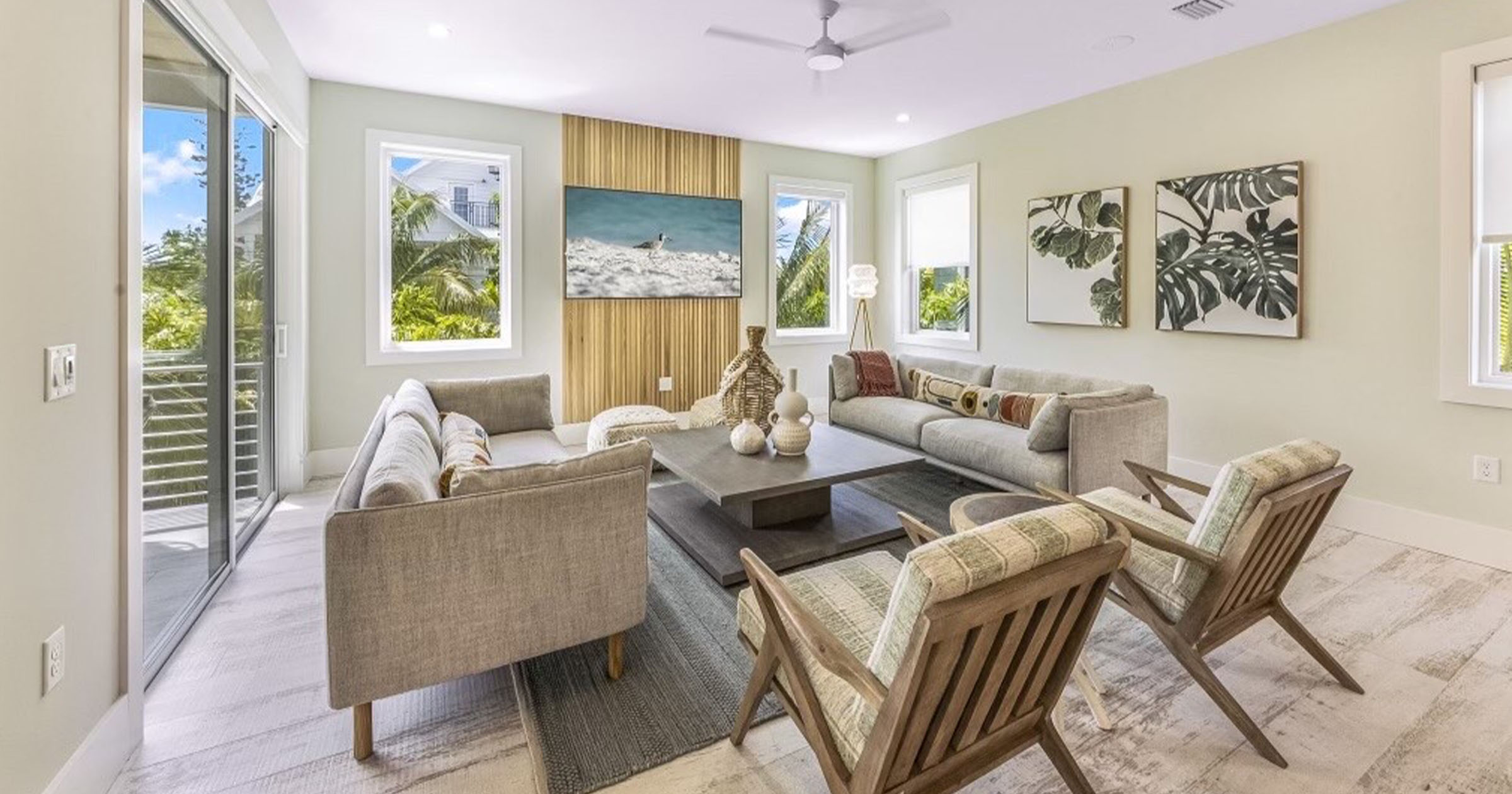
Open-concept designs are synonymous with spaciousness. By removing unnecessary barriers, these homes optimize the available square footage, making rooms appear larger and more versatile. The sense of spaciousness is not merely a visual trick; it provides functional benefits. For example, larger rooms can accommodate more people during social gatherings, bridging the indoor and outdoor areas to facilitate seamless entertainment spaces.
A report by the National Association of Home Builders highlights that open layouts are particularly popular among homebuyers for their ability to make homes feel larger than their physical dimensions. This design choice creates zones within a single expansive area, allowing for flexibility in furniture arrangement and multipurpose use of spaces. Families can enjoy communal areas while still having the option for distinct zones, such as a reading nook or a dedicated play area.
Maintaining a Luxurious Feel
With open-concept designs, maintaining a cohesive luxury aesthetic requires careful planning. It’s crucial to ensure that the open layout does not feel sparse or unfinished. A key to achieving this balance is through continuity in design elements. Consistent use of high-quality materials, such as hardwood flooring or marble countertops, throughout interconnected spaces can create a sense of unity and sophistication.
Color palette consistency is also essential. Using a harmonious color scheme across open spaces helps in tying the areas together visually. Subtle variations in tones can provide depth and interest without disrupting the flow of the design. Design expert Elaine Griffin, in her book “Design Rules,” suggests using art and textiles strategically to create visual interest and focus points within open areas. For instance, placing a large piece of art or a designer chandelier can serve as both a functional piece and an artistic focal point that elevates the space’s luxury feel.
Furniture selection also plays a pivotal role in enhancing luxury. Opt for statement pieces that reflect both style and comfort. Modular furniture which can adapt flexibly within the space without obstructing the visual flow is ideal. Additionally, thoughtfully curated accessories such as rugs, cushions, and sculptures can add texture and layers to the space, contributing to an overall sense of warmth and elegance.
Enhancing Privacy and Functionality
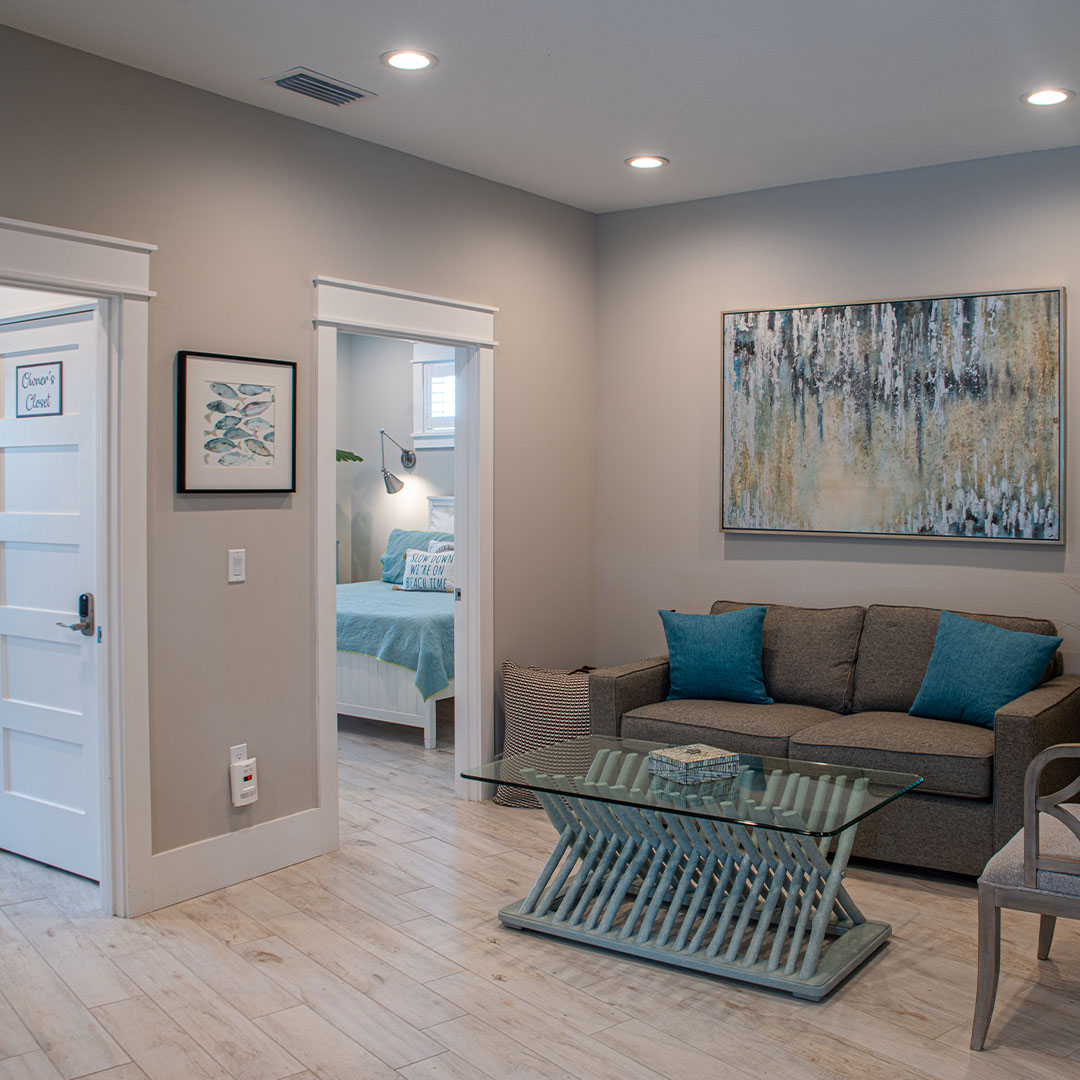
While open-concept homes promote connection and openness, incorporating elements that provide privacy and functionality is important. Use furniture arrangements and area rugs to subtly define different zones within a large open area. Installing sliding doors or movable partitions can provide privacy when needed without permanently separating spaces.
Moreover, the strategic use of plants or vertical garden walls can further divide spaces while maintaining airiness. These elements not only offer privacy but also contribute to the aesthetic by bringing elements of nature indoors. A study in the Journal of Physiological Anthropology found that having plants indoors contributes to stress reduction, which can enhance the serene and luxurious feel of the home.
Conclusion
Open-concept living is not just a trend but an evolution in the way luxury homes are designed and experienced. By maximizing natural light and space, these designs offer an inviting and functional living environment. Careful selection of design elements ensures that the luxury feel is seamlessly integrated into the open space. As Elysian Homes, we recognize the importance of creating homes that reflect the desires and lifestyles of our clients. Open-concept designs offer the blend of modernity and sophistication that aligns perfectly with the luxury custom homes we construct.