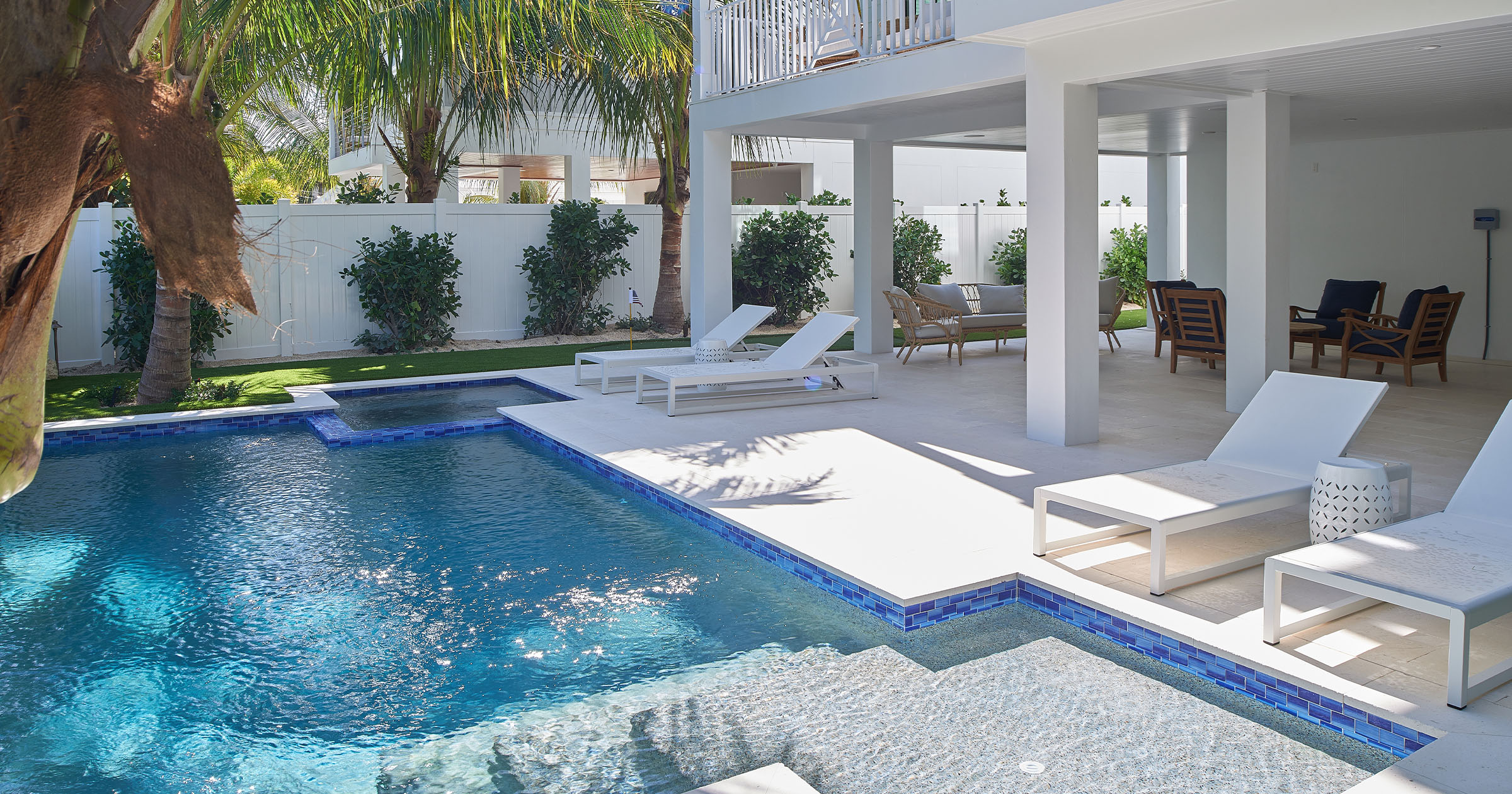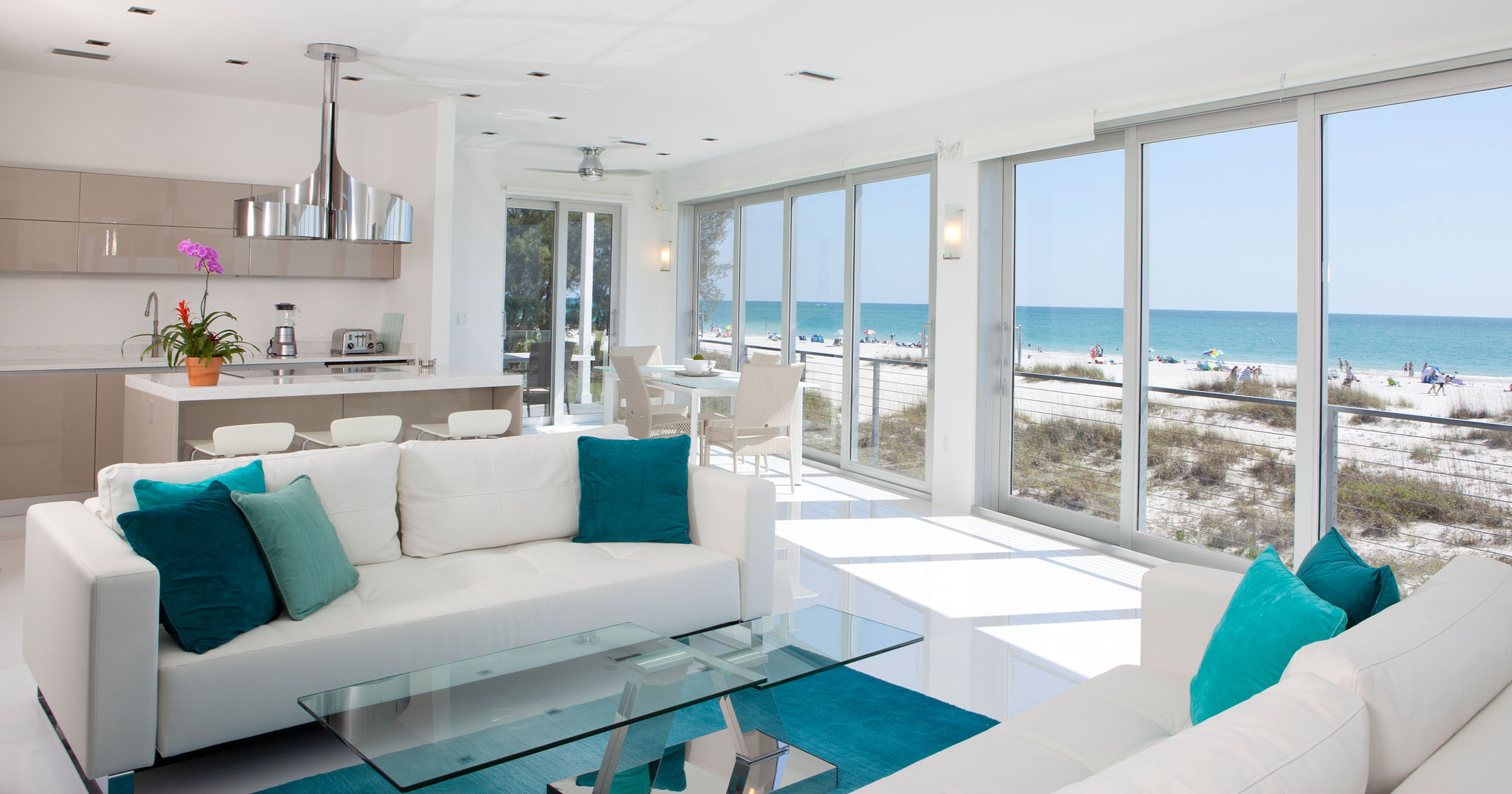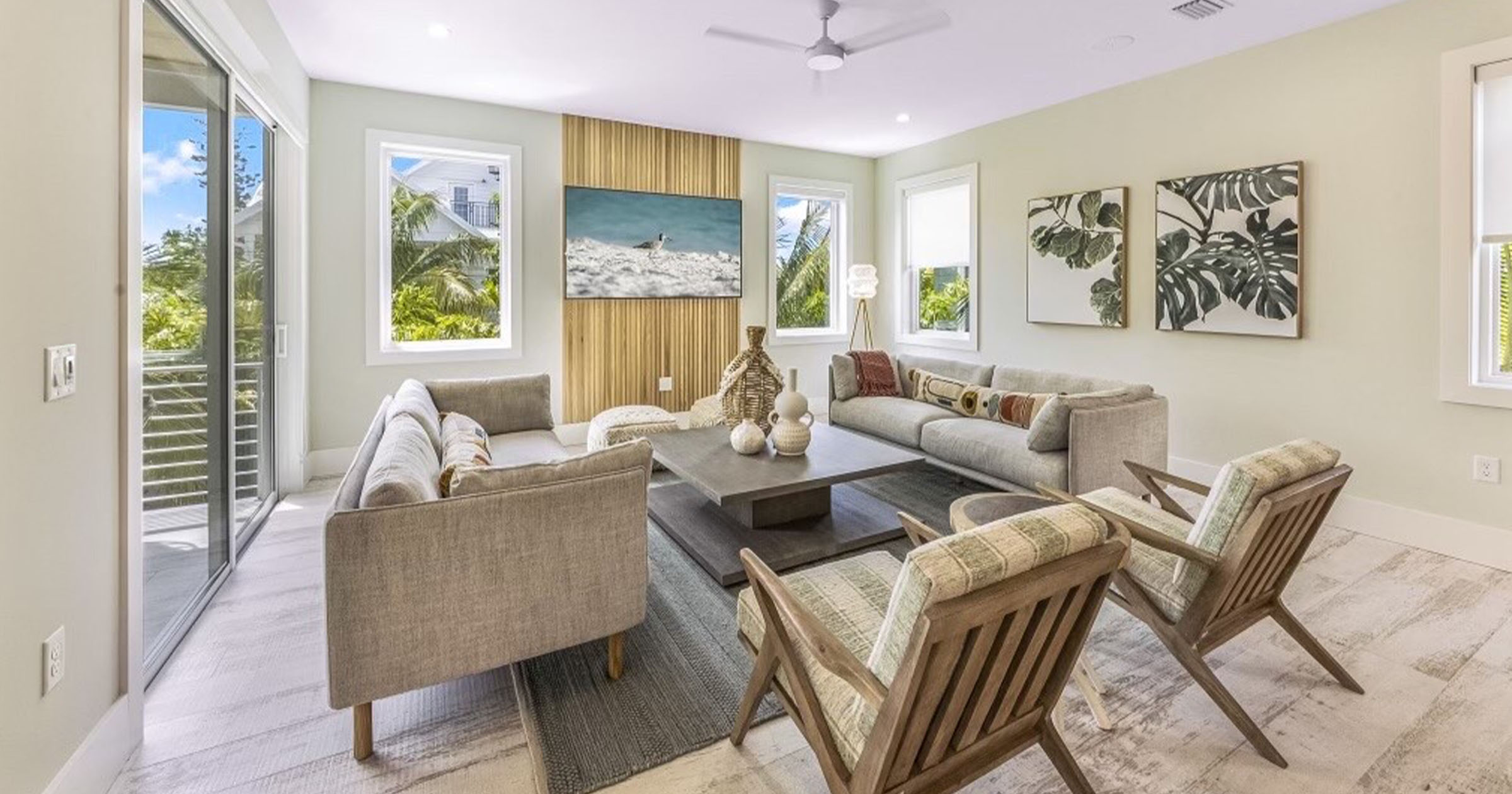
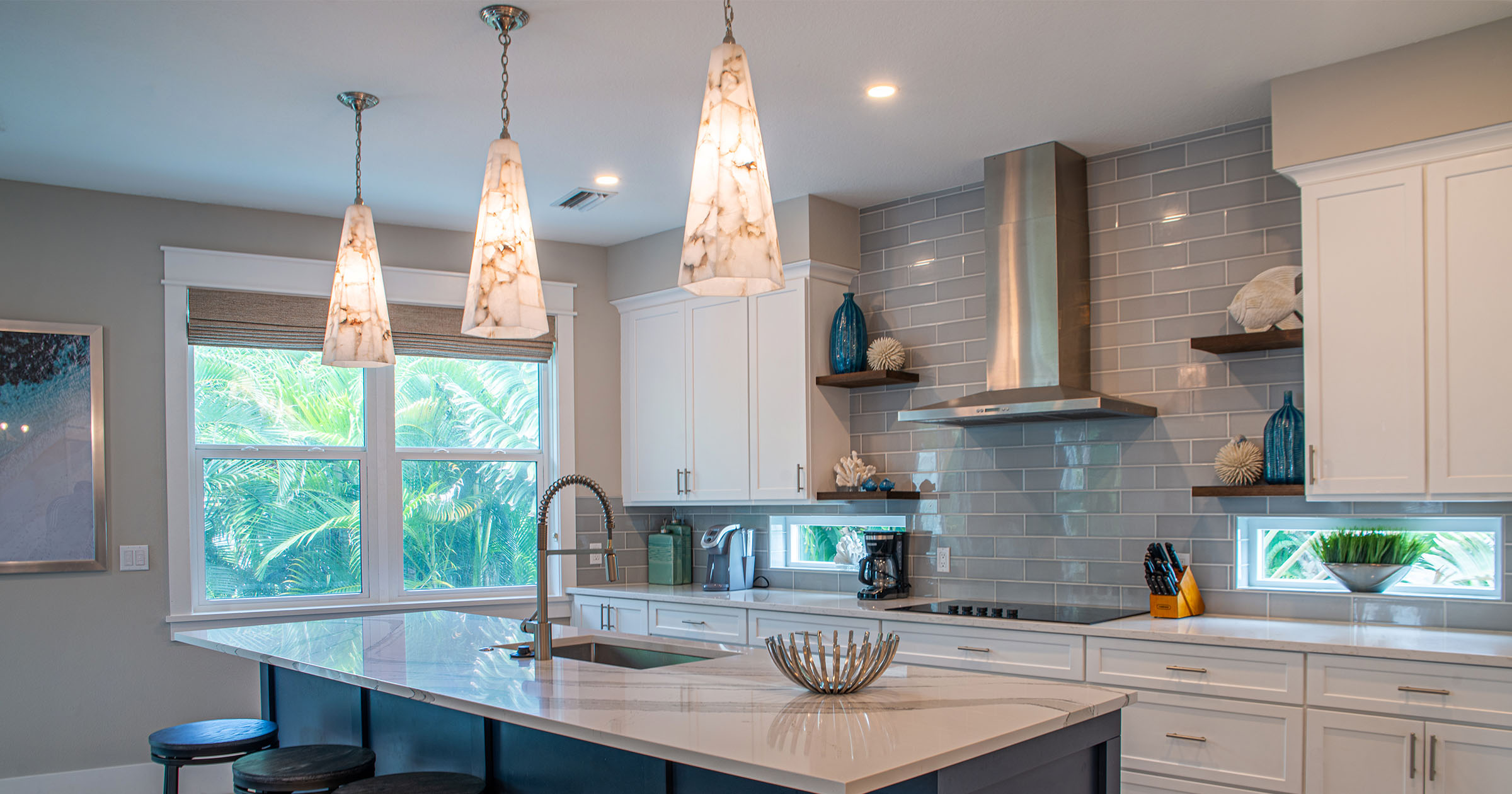
Increasing awareness of environmental impact has significantly reshaped how we approach building design, particularly in luxury custom homes. The intersection of sustainability and design affords an opportunity to construct homes that are not only aesthetically pleasing but environmentally conscious. Here’s how sustainable building practices can be integrated into your custom home.
Energy-Efficient Systems
A primary focus in sustainable home design is energy efficiency. Employing renewable energy sources such as solar power can drastically reduce reliance on traditional electricity grids. In Florida, solar panels are particularly effective due to ample sunlight. The initial investment in solar technology can be offset by reducing electricity costs and using incentives such as the federal solar tax credit.
Incorporating high-efficiency appliances further reduces energy consumption. ENERGY STAR-rated appliances are specifically designed to minimize energy use without sacrificing performance. Additionally, installing programmable thermostats helps regulate indoor temperatures and optimize energy usage.
Insulation and Ventilation
Insulation plays a vital role in maintaining a home’s internal climate, cutting down on heating and cooling costs. Using eco-friendly insulation materials like sheep’s wool, cellulose, or recycled denim can further enhance sustainability. These materials are not only effective insulators but also have lower environmental impacts than traditional insulation materials.
Ventilation is equally important in maintaining indoor air quality. Heat recovery ventilators (HRVs) can help maintain temperature while exchanging stale indoor air with fresh outdoor air, enhancing both energy efficiency and air quality.
Water Conservation Strategies
Efficient water use is critical, especially in areas prone to drought. Installing low-flow toilets, faucets, and showerheads can significantly decrease water usage. According to the Environmental Protection Agency (EPA), WaterSense-labeled products can save a household more than 50,000 gallons of water per year.
Rainwater harvesting systems collect and store rainwater for irrigation and other non-potable uses. Similarly, graywater systems can be utilized to recycle water from sinks, showers, and washing machines for toilet flushing or garden irrigation.
Sustainable Building Materials
Choosing sustainable materials is paramount to reducing a home’s environmental footprint. Bamboo, a rapidly renewable resource, is an excellent choice for floors, cabinets, and surfaces due to its durability and aesthetic versatility. Other options include reclaimed wood, recycled metal, or concrete, all of which contribute to sustainability by conserving natural resources.
Non-toxic and low-volatile organic compound (VOC) paints, finishes, and adhesives reduce pollution and improve indoor air quality, contributing to healthier living environments.
Smart Home Technologies
Smart home technologies can efficiently manage energy consumption. Home automation systems that control lighting, heating, and cooling not only enhance convenience but also optimize energy usage. Investing in smart lighting solutions like LED bulbs with dimmable features and motion sensors can drastically cut electricity usage.
Additional technologies include smart irrigation systems that adapt to weather conditions and soil moisture content, ensuring that water is only used when necessary.
Landscape Design
Landscaping choices also play a role in sustainability. Selecting native plants that require less water and are adapted to local soil and climate conditions can reduce the need for fertilizers, pesticides, and irrigation. Xeriscaping—a landscaping method focused on drought-resistant plants—can further enhance sustainability.
Designing with rain gardens helps manage stormwater and reduce erosion. These gardens leverage hardy plants that tolerate both wet and dry conditions, naturally filtering pollutants from runoff.
Benefits of Sustainable Building Practices
Adopting sustainable building practices in luxury custom homes provides profound economic, environmental, and health benefits. Energy-efficient homes see reduced utility bills. Environmentally, they contribute to lower carbon emissions, less landfill waste, and conservation of natural resources. Moreover, homes with improved air quality foster healthier living, reducing potential respiratory issues or allergies.
A McGraw-Hill Construction report highlights that sustainably built homes demonstrate increased market value and faster sales than traditional homes. As more homebuyers prioritize sustainability, these homes often yield higher returns on investment.
Conclusion
Incorporating sustainable building practices into luxury custom homes involves more than just environmentally friendly choices. It reflects a commitment to responsible living, enhancing energy efficiency, reducing environmental impact, and promoting health through careful design choices. Elysian Homes is dedicated to guiding clients through the process of creating homes that seamlessly integrate elegance with sustainability, marrying the best of modern technology with environmentally conscious design.