Creating a luxury home theater is a nuanced endeavor that involves more than simply installing a screen and a few chairs. Today’s home theater designs are crafted to offer an immersive experience that rivals or even surpasses commercial cinemas. This article explores the latest trends in home theater designs that maximize auditory, visual, and technological dimensions.
Precision in Acoustics
Acoustics play an essential role in creating an immersive home theater experience. Poor acoustics can diminish even the most expensive equipment’s impact. The trend now is to integrate architectural acoustics into theater design. This approach involves an understanding of how sound interacts with different surfaces and materials within a space.
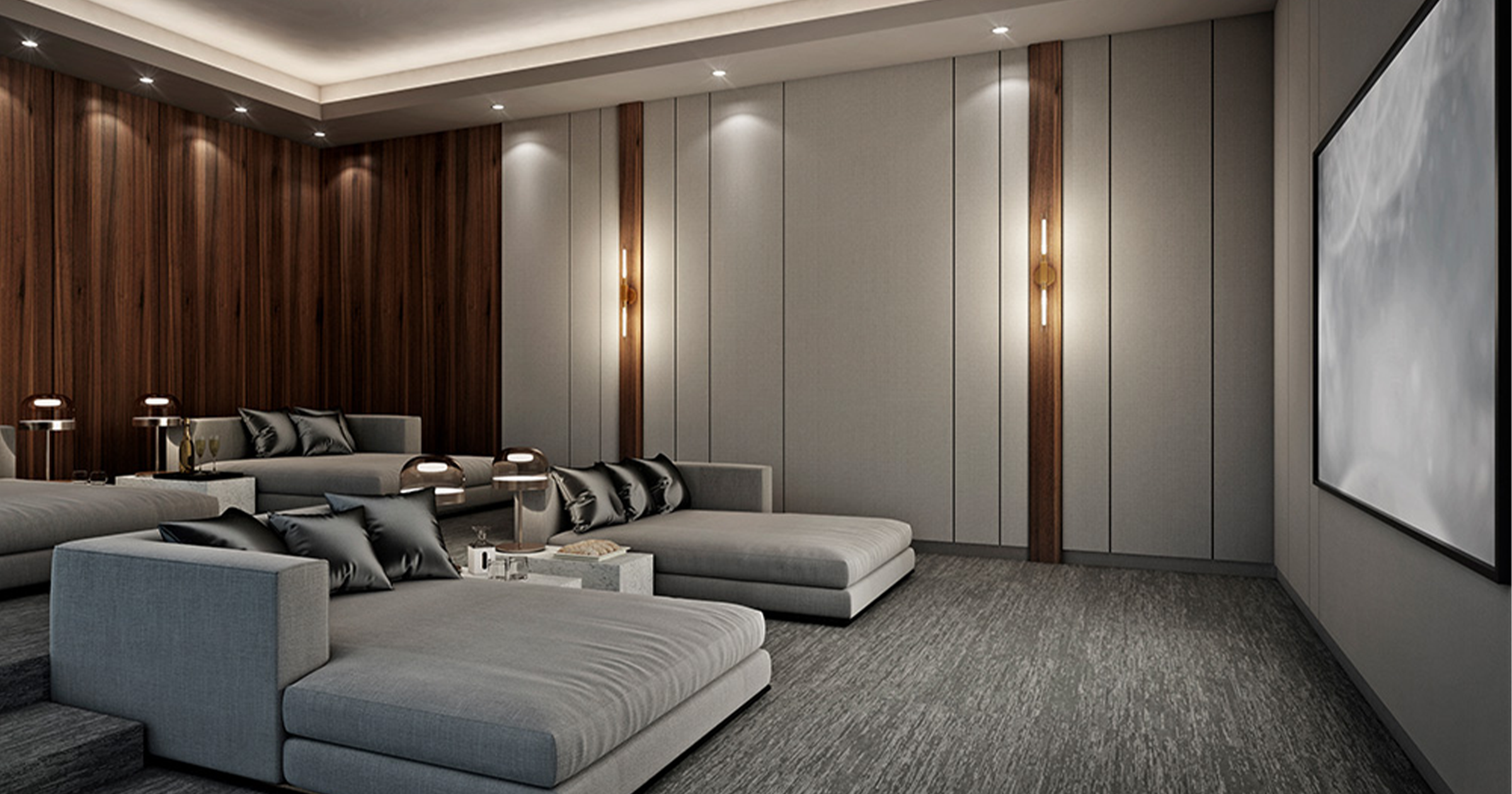
Soundproofing and acoustic treatment are two primary components here. Acoustic panels and diffusers can be strategically placed to control reflections and improve sound clarity. These elements not only manage sound waves but also enhance the room’s aesthetic appeal. Research indicates that high-fidelity sound reproduction can significantly improve user satisfaction and engagement.
Intelligent Seating Arrangements
Luxury home theaters now emphasize seating that ensures comfort over extended viewing periods without sacrificing aesthetic appeal. Modular seating arrangements allow for flexibility, adapting to different group sizes and viewing preferences. Recliners with plush upholstery and ergonomic design offer individualized comfort and support. A trend towards heated seating with integrated wireless charging points and storage further exemplifies the seamless melding of convenience and luxury.
The seating configuration also directly influences auditory and visual experiences. Optimal layouts consider the speaker and screen positions, enabling every seat to be a “best seat in the house.” According to studies, the correct seating arrangement reduces strain on the eyes and ears, offering a more engaging experience.
Visual Excellence with Projectors and Screens
While big-screen TVs provide an impressive image, many luxury home theaters now opt for projection systems. Advances in projector technology offer 4K resolution with high dynamic range (HDR), delivering deeper blacks and more vivid colors. Screens specifically designed to reject ambient light ensure image quality remains consistently high regardless of room lighting.
Motorized screens offer the flexibility to retract when not in use, preserving room aesthetics. Furthermore, curved screens are gaining popularity because they mimic the immersive experience of an IMAX theater, reducing distortion and increasing depth perception.
Integrated Media Systems
With the rise of streaming services and digital media, traditional media setups often fall short. Integrated media systems allow users to seamlessly switch between content on platforms like Netflix, Hulu, or Amazon Prime, and to control other smart home elements like lighting and climate from a single interface. Voice-activated controls powered by AI, such as Amazon Alexa or Google Assistant, integrate with home automation systems for effortless management.
A trend toward centralized control hubs, often facilitated through a tablet interface, makes navigating these diverse sources intuitive. The latest systems are also designed to support enhancements, ensuring longevity and adaptability as technology evolves.
Lighting as an Integral Component
Lighting is more than mere illumination. Current trends leverage lighting to enhance mood and immersion. Dimmable LED lighting, often installed on steps or behind screens, reduces glare while providing necessary light. Ambient lighting controlled through smart systems can change the room’s atmosphere with a tap, transitioning effortlessly from movie night to social gatherings.
Light strips and sconces offer unobtrusive lighting that complements the overall design. Studies reveal that appropriate lighting can reduce eye strain and improve concentration during long periods of screen time.
Bringing It All Together
A well-designed luxury home theater exemplifies cohesiveness between visual, audio, and technological systems. Architects consider room dimensions, interior aesthetics, and the interplay between equipment and space. This comprehensive approach ensures that the home theater is more than an isolated room but a seamless extension of the home’s overall design narrative.
To sum up, creating a luxury home theater involves a meticulous blend of acoustics, seating, screen technology, media integration, and lighting. These elements, honed through technological progress and thoughtful design, deliver a viewing experience that rivals the best public theaters. Homeowners who understand these components enjoy not just enhanced entertainment but also add significant value to their properties. As trends continue to evolve, staying informed will ensure your home theater remains at the forefront of entertainment luxury.