Incorporating art into your luxury home design can transform your space, infusing personality and depth into every room. Art not only enhances the visual appeal of a home but also serves as a conversation starter and an expression of personal taste. However, choosing and displaying art in a luxury setting requires a strategic approach to ensure it complements and elevates the interior architecture.
Selecting Art for a Luxury Space
To begin, consider the architectural style and color palette of your home. For homes with minimalist designs, contemporary or abstract art pieces often work best, as they add visual interest without overwhelming the space. In contrast, more traditional homes may benefit from classical art or landscapes that align with intricate detailing found in the interiors.
Size and scale are critical when selecting art. Large, oversized pieces can make a bold statement in spacious rooms, becoming a focal point that draws the eye. Rooms with higher ceilings benefit from such grand displays, creating balance and harmony within the space. Smaller pieces, on the other hand, work well in more intimate areas, adding subtle detail without overwhelming the room’s design.
Placement: Crafting Visual Hierarchy and Flow
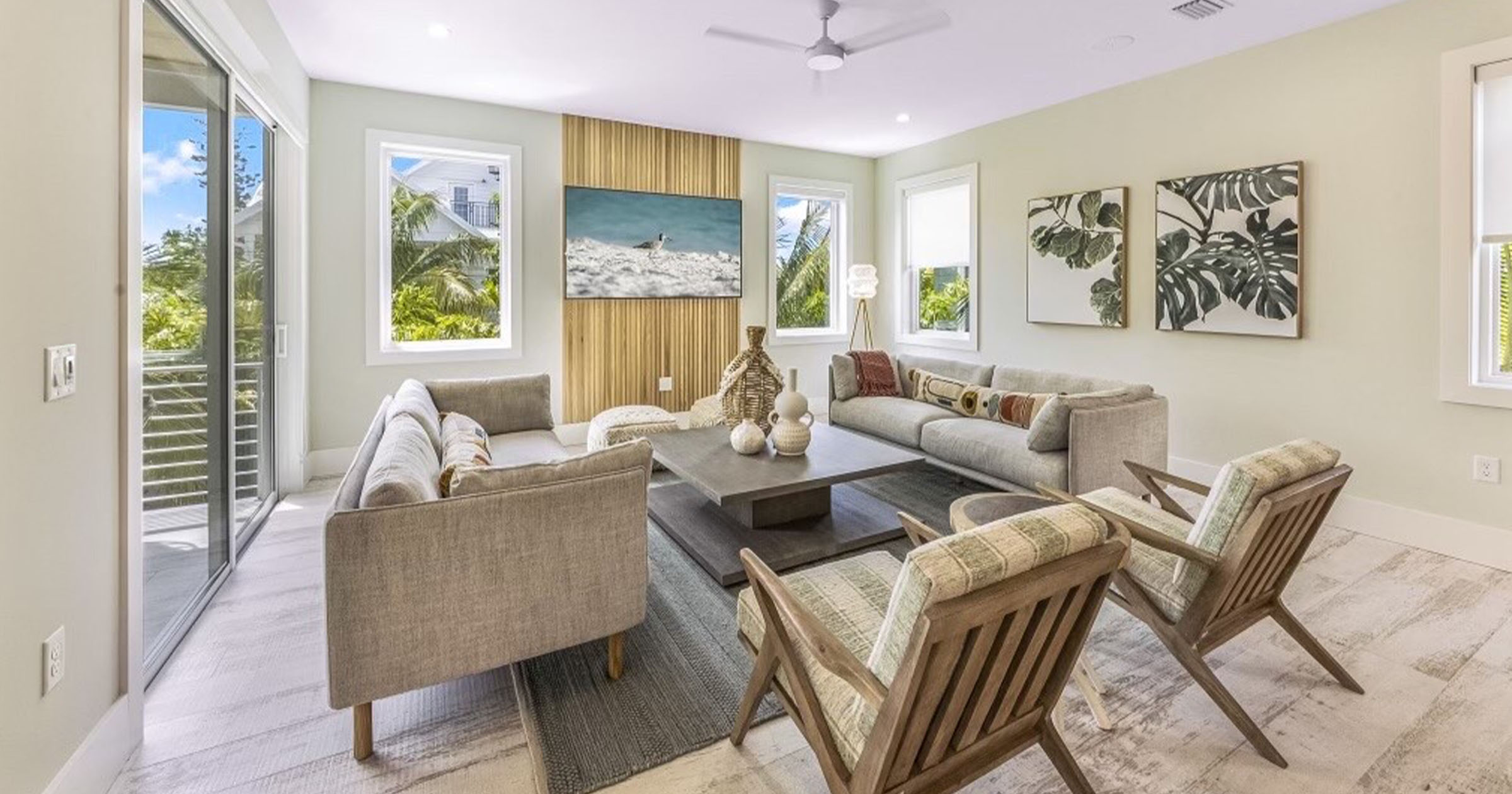
Placement plays a pivotal role in ensuring that art pieces enhance rather than detract from a room’s charm. Generally, art should be placed at eye level to maximize its impact—between 57 and 60 inches from the floor to the center of the piece is a commonly recommended guideline. In living rooms, art above a sofa should be approximately two-thirds the width of the furniture below it.
Align artwork with architectural features such as fireplaces, niches, and windows. This alignment creates a cohesive look that blends art seamlessly with the existing elements of your home. In open-plan spaces, art can help delineate functional areas without erecting physical barriers, ensuring a fluid and natural flow throughout.
Lighting: Enhancing the Aesthetic Appeal
Proper lighting is crucial for showcasing art. The right illumination can highlight textures, enhance colors, and create ambiance. Spotlights or track lighting are often used to focus on specific works, providing controlled lighting that emphasizes the piece’s qualities. For larger collections, consider gallery-style lighting systems that can be adjusted to suit various artworks.
Use UV-filtering lights to protect sensitive pieces from damage, as prolonged exposure to harsh lighting can fade colors and degrade materials. Dimmers provide flexibility, allowing adjustments according to the time of day or the desired mood.
Harmonizing with Interiors
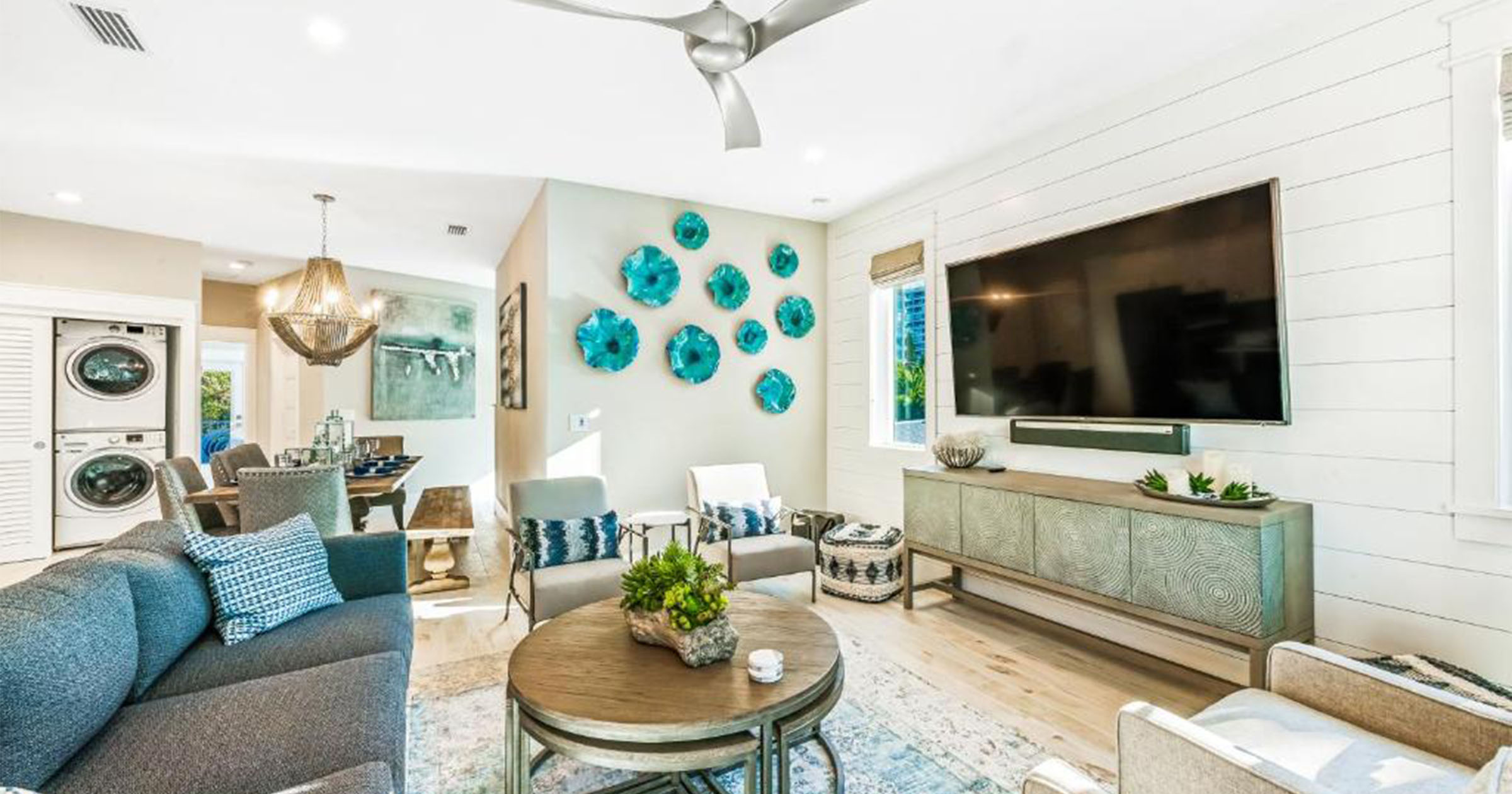
Art should harmonize with the existing interior design elements, creating a cohesive aesthetic. Complement your art with similar textures or colors found in your home’s furnishings and decor. In cases where you wish to highlight a particular piece, a neutral or monochrome backdrop allows the artwork to stand out without competition.
Consider the emotional tone each piece conveys. Art with dynamic compositions and vibrant hues often energizes a space, making it suited for areas like kitchens or home offices. Conversely, serene landscapes or abstract works may be better suited for bedrooms or reading nooks, where relaxation is paramount.
Building a Collection with Intention
Building an art collection for your luxury home is a gradual process that reflects personal tastes and interests. Rather than purchasing all pieces at once, allow your collection to evolve over time, acquiring works that resonate personally. This approach not only ensures that each piece holds significance but also introduces diversity in styles, periods, and mediums.
Determine whether you prefer to focus on local artists or international names. Supporting local talent can imbue your home with unique cultural references that tell a story about your home’s location. On the other hand, established international artists can provide a more established or globally-inspired aesthetic.
Conclusion
Art serves as a powerful element in luxury home design. It is a vehicle for personal expression and aesthetic enrichment when chosen and displayed thoughtfully. Consider your home’s architecture, interior design elements, and personal preferences when selecting pieces. Appropriate placement, lighting, and an understanding of harmony between art and existing home elements can significantly enhance your living experience, turning your residence into a curated, personalized gallery. Integrating art into your home design is not just about aesthetics, but it’s also an enduring personal journey that evolves with your tastes and lifestyle.