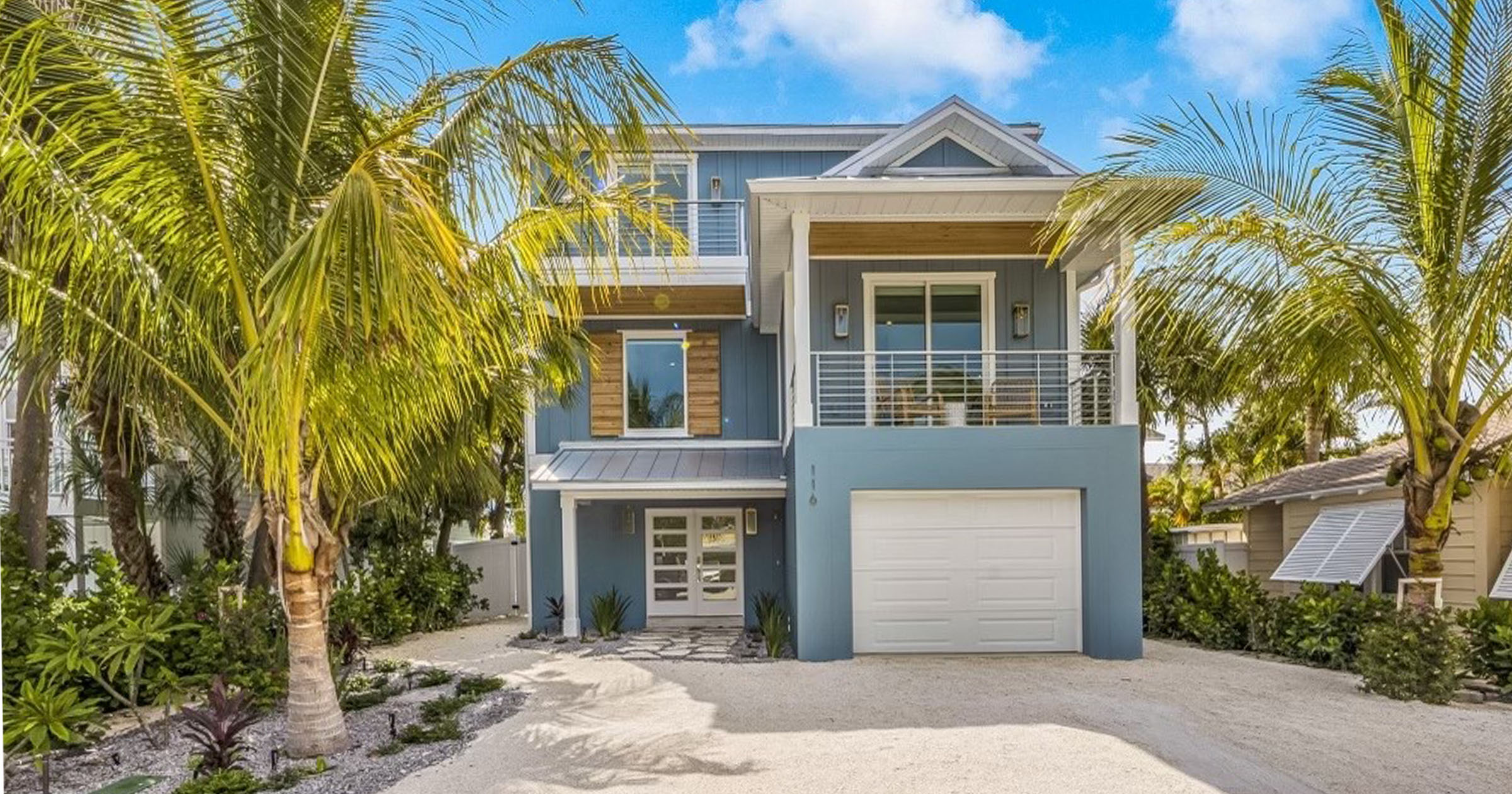
Sarasota, Florida, presents a rich tapestry of architectural styles that reflect its evolving luxury home market. For decades, it has served as a canvas for architectural innovation, blending natural beauty with meticulous design. This narrative traces the journey of luxury home architecture in Sarasota, from its mid-century roots to contemporary trends shaping the skyline today.
Mid-Century Modern: A Foundation of Simplicity
The emergence of mid-century modern architecture in Sarasota in the mid-20th century marked the beginning of a lasting design legacy. This style, celebrated for its simplicity and integration with nature, emphasized open floor plans, large glass windows, and minimalistic forms. Architects like Paul Rudolph and Ralph Twitchell were pioneers of the Sarasota School of Architecture, a regional adaptation of the mid-century modern style. Their designs valued the relationship between indoor and outdoor spaces, as seen in iconic houses like the Cocoon House and the Umbrella House.
A hallmark of the Sarasota School was its innovative use of pre-stressed concrete, which allowed for dramatic cantilevers and open spaces, a technique that preceded its popularity in broader architectural circles. Many of these homes feature flat planes, extensive glass walls, and an orientation that maximized natural ventilation and light—a vital consideration in Sarasota’s warm climate.
The Rise of Mediterranean Revival
As the region developed, the 1980s and 1990s saw a resurgence of the Mediterranean Revival style. This style, with its roots in the architecture of the Mediterranean coast, was adapted to suit the local climate and Sarasota’s growing affluence. Spanish and Italian influences manifested through the use of stucco walls, red-tiled roofs, arched windows, and ornate detailing. Luxury homeowners were drawn to the timeless elegance and romantic aesthetic this style offered.
While the essence remained consistent, local architects began to incorporate modern amenities such as expansive kitchens and bathrooms without detracting from the old-world charm. The emphasis was on creating opulent yet functional spaces that facilitated a comfortable Florida lifestyle.
The Influence of Coastal and Tropical Styles
In the late 1990s and early 2000s, coastal and tropical styles began influencing Sarasota’s architectural landscape, drawing inspiration from the area’s pristine beaches and lush surroundings. These homes emphasized structures that embraced natural light and ventilation with features like wraparound porches and airy interiors. The architecture often incorporated materials such as bamboo, rattan, and reclaimed wood to echo the natural environment.
This period also witnessed an increased focus on sustainability, driven by a desire to minimize environmental impact while maximizing comfort and luxury. Eco-friendly features like solar panels, rainwater harvesting systems, and sustainably sourced materials became more prevalent, merging aesthetic beauty with environmental consciousness.
Contemporary and Modern Trends
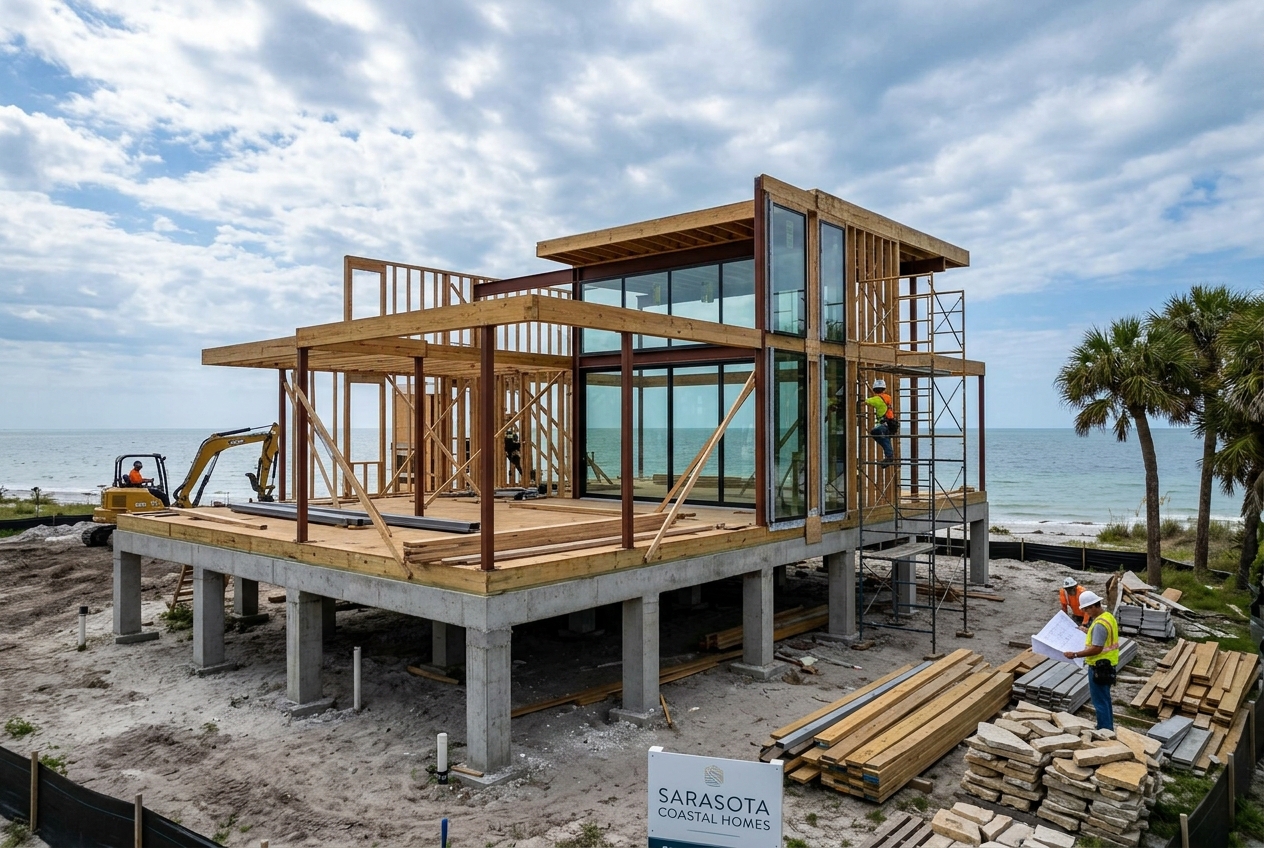
In recent years, contemporary architecture has left a significant mark on Sarasota’s luxury home market. The style is characterized by clean lines, open spaces, and the use of advanced technology and materials. Glass, steel, and concrete are predominant, creating sleek and minimalist designs that cater to a modern aesthetic.
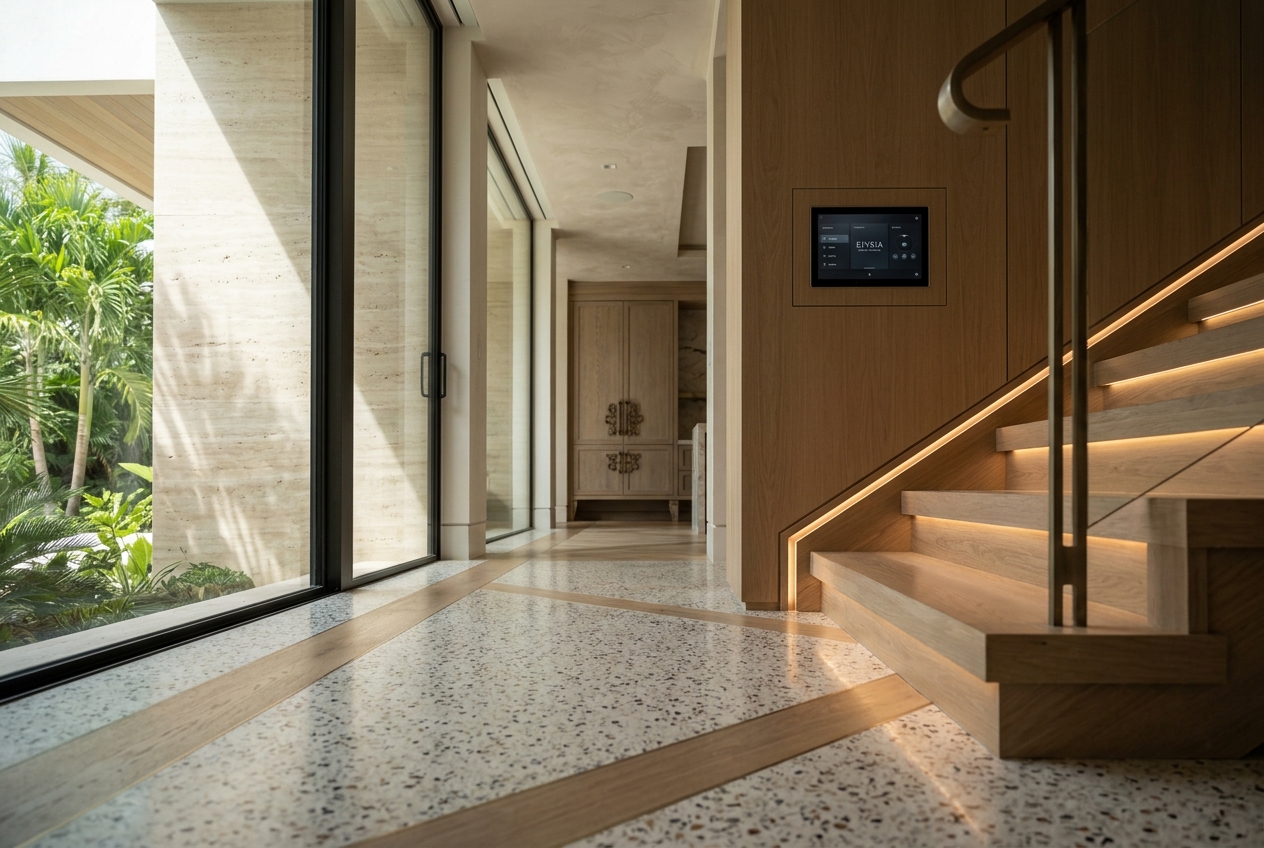
Architects today often prioritize functionality and technology without sacrificing comfort, sometimes integrating smart home systems and energy-efficient solutions. Homes in this style often offer panoramic views of the Gulf Coast, capitalizing on Sarasota’s stunning natural vistas.
Furthermore, the indoor-outdoor living concept continues to be a defining trend, allowing for a seamless transition between inner spaces and the natural environment. It’s a progression of the biophilic design principles initiated by earlier Sarasota architects.
Cultural and Economic Impact
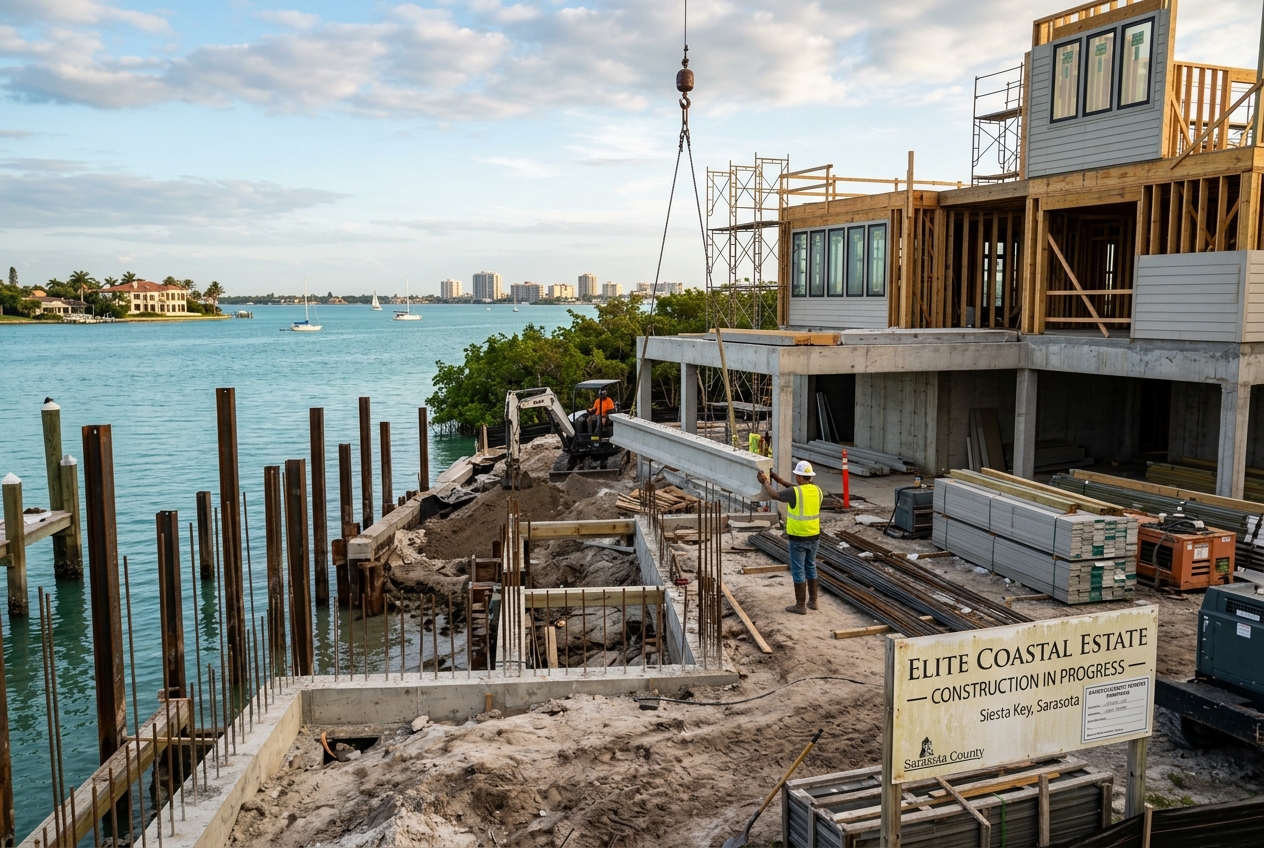
The evolution of luxury home architecture in Sarasota not only shapes the aesthetic landscape but also influences the local economy and culture. The architectural diversity attracts affluent residents and tourists, enhancing Sarasota’s reputation as a sought-after destination for high-end real estate.
The sustained interest in Sarasota’s luxury homes also boosts local industries, from construction to landscape architecture, and stirs cultural enrichment through architectural tours and exhibitions.
Conclusion
Sarasota’s architectural journey from mid-century modern to contemporary design showcases a rich diversity that celebrates simplicity, natural beauty, and innovation. Each style reflects the cultural, economic, and environmental values of its time, contributing to a unique architectural heritage. As Sarasota evolves, its luxury homes continue to set the standard for blending modern living with the serene beauty of coastal Florida.
This seamless integration of past and present ensures that Sarasota remains not just a place to live but an exemplar of architectural sophistication. As Elysian Homes continues to contribute to this landscape, the commitment to excellence and innovation remains at the forefront of every project. With a nod to history and an eye on the future, Sarasota stands as a beacon of luxury home design.