Designing a luxurious home gym requires a blend of strategic planning, architectural insight, and an understanding of personal fitness requirements. This guide will navigate through the process of creating a premium workout space tailored to your needs, focusing on practical considerations like equipment selection, space optimization, lighting, and aligning with personal fitness goals.
Equipment Selection
Choosing the right equipment is foundational to designing a home gym that aligns with your fitness goals. Begin by identifying your exercise preferences—whether cardio, strength training, or a combination—then select equipment that complements these activities.
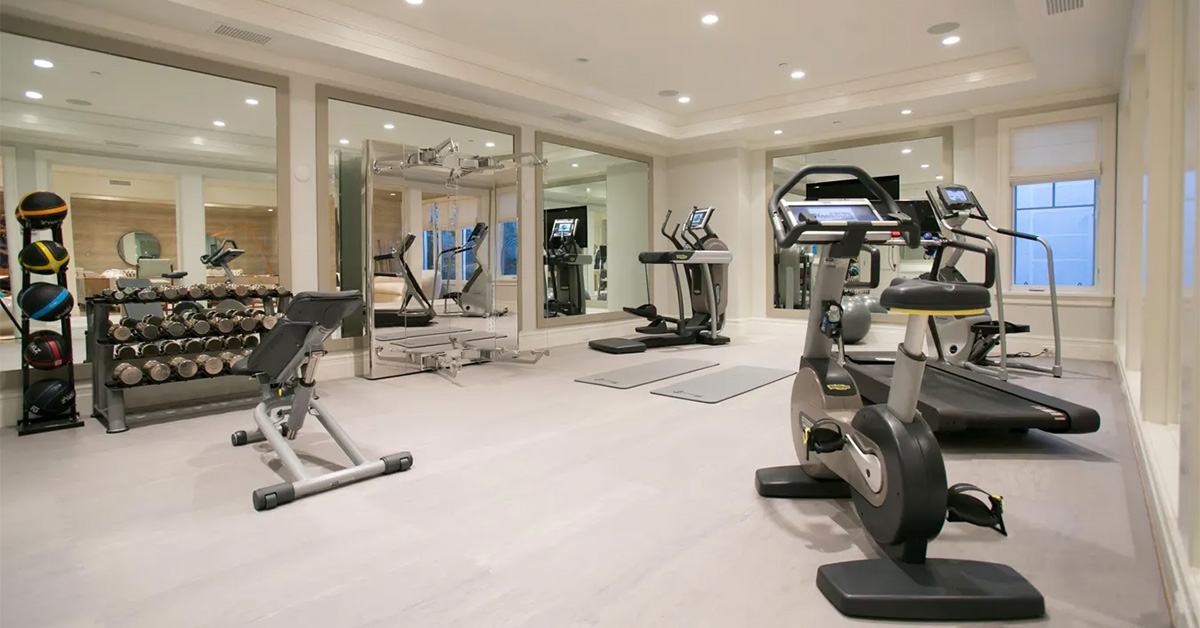
For those focusing on cardio, consider integrating a treadmill, stationary bike, or rowing machine. A smart treadmill equipped with features like heart rate monitoring and interactive screens can enhance your cardio regime. Strength training enthusiasts might opt for a set of free weights, resistance bands, or a multi-station workout tower. To stay abreast of technological advances, consider machines that incorporate Bluetooth or Wi-Fi connectivity, enabling fitness tracking through apps.
The American Council on Exercise suggests that even within a limited area, flexibility in equipment selection can enable comprehensive workouts. Adjustable equipment can serve multiple purposes, optimizing the use of available space.
Space Optimization
Space configuration is paramount, influencing not only functionality but also the ambiance of the gym. Measure the area designated for the gym and plan the layout to ensure safety and ease of movement. For smaller spaces, consider foldable or multipurpose equipment that can be efficiently stored.
Zoning the gym into different sections can enhance usability. For example, designate a specific corner for cardiovascular activities and another for weightlifting. This division can help maintain an orderly environment and boost focus during workouts.
Apart from equipment, incorporate adequate storage solutions. Wall-mounted racks for weights and resistance bands can preserve floor space, while shelved lockers can keep accessories organized. Custom cabinetry might add a touch of luxury while ensuring functionality.
Lighting Considerations
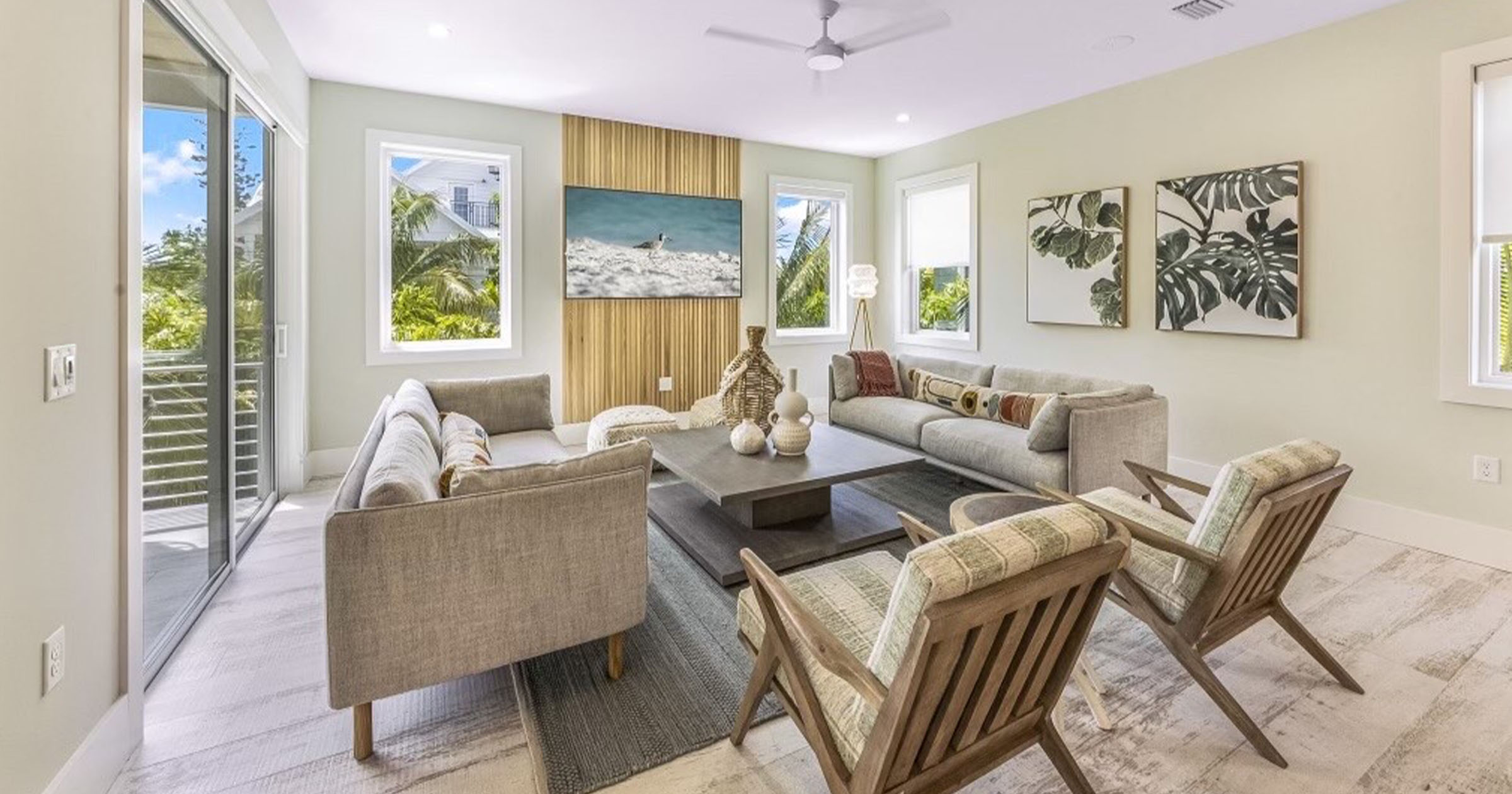
Proper lighting affects mood and performance in a workout space. Natural light is preferable as it elevates energy levels and improves the atmosphere. Large windows or strategically placed skylights can enhance natural illumination. In the absence of sufficient natural lighting, combining ambient and task lighting can replicate daylight. LED lights are beneficial due to their energy efficiency and longevity. Opt for adjustable lighting fixtures to create varying moods, conducive to different types of workouts.
Consider integrating smart lighting systems that allow for changes in intensity and color temperature. Warmer tones can create a relaxed atmosphere for yoga or pilates, while cooler tones might stimulate high-intensity workouts.
Aligning with Personal Fitness Goals
A home gym should reflect and support your personal fitness journey. Begin by defining your fitness objectives—weight loss, muscle gain, flexibility improvement, or overall health. Tailor the gym’s design to accommodate these goals. For instance, if yoga is your primary focus, ensure there’s a dedicated space for movement and a calming environment with muted tones and nature-inspired accents.
Incorporate elements of luxury that motivate and encourage regular gym visits. A high-quality sound system, for instance, can play motivating music or tranquil sounds, depending on exercise type. Mirrors can serve both as functional elements for form-checking and as optical illusions to expand perceived space.
Incorporating Technology
Integrating technology can vastly enhance a home gym’s functionality. Consider investing in smart mirrors that provide live feedback on your form or virtual personal trainers. Fitness tracking devices synced with gym equipment can offer insightful analytics on performance and progression.
A centralized control hub for yoga and meditation applications, streaming workout classes, or interactive fitness platforms can personalize your workout experience while keeping it engaging.
Final Thoughts on Aesthetic Elements
The gym’s aesthetic should evoke motivation and tranquility. Choose a color palette that aligns with personal preferences and promotes a conducive workout environment. Earthy tones or calming blues can be soothing, while vibrant colors might energize.
Flooring is another key element—opt for materials that are durable, easy to clean, and supportive. Rubber flooring or cork is practical for high-impact activities, whereas hardwood might better suit a yoga-focused area.
Designing a luxurious home gym is about creating a space that merges form and function, enhancing your workout experience through thoughtful details tailored to your lifestyle. By considering equipment selection, spatial design, lighting, and personalized goals, you can craft a fitness sanctuary that inspires a healthier, more active lifestyle at home.