
Building a home is more than constructing walls and installing windows; it’s about creating a space that genuinely reflects who you are and how you live. While the desire for a personalized home isn’t new, the methods to achieve it have evolved significantly, offering more tailored and precise options than ever before. Here’s how you can approach designing a home that not only meets your practical needs but also complements your lifestyle.
Prioritize Your Lifestyle Needs
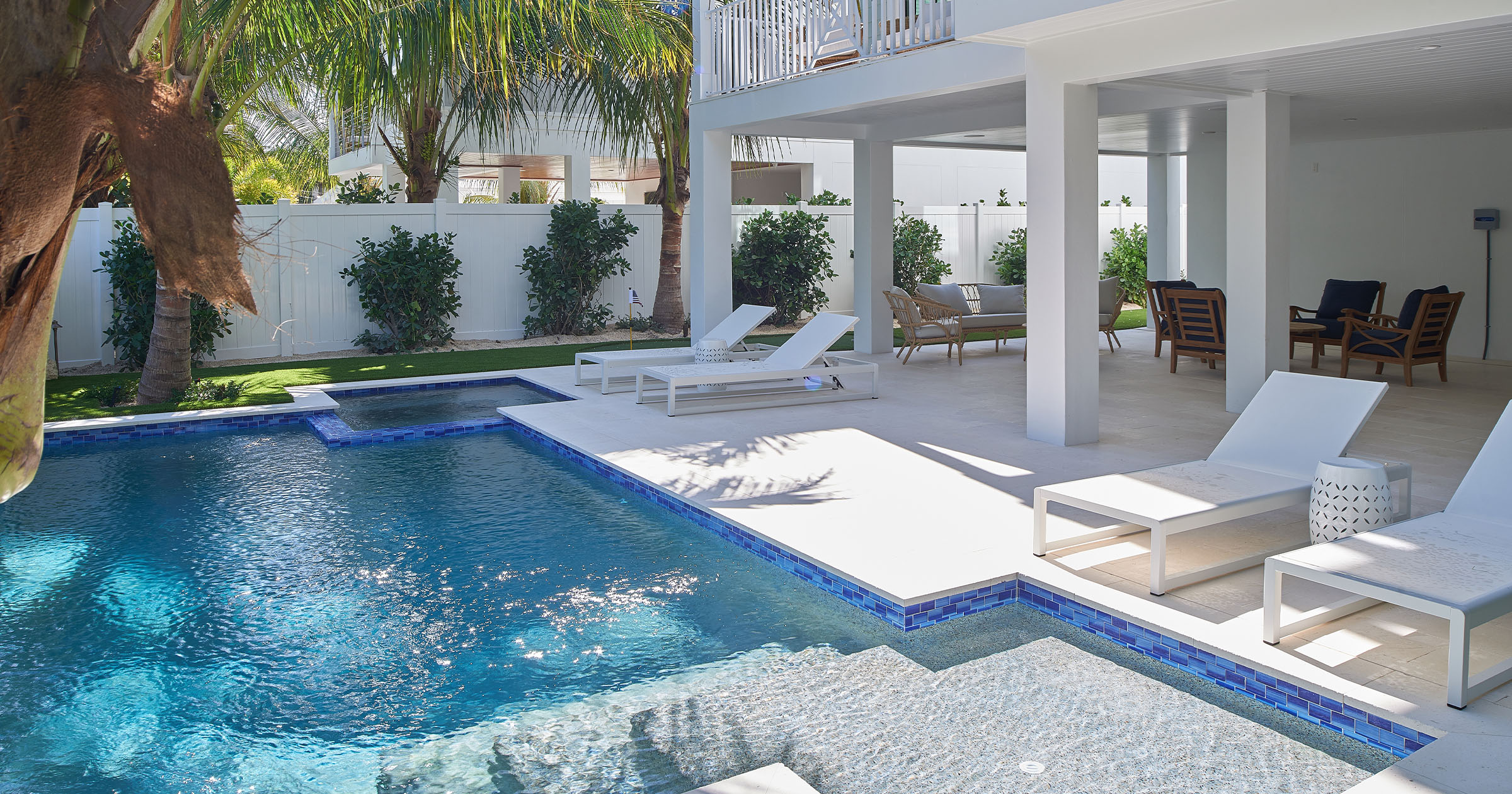
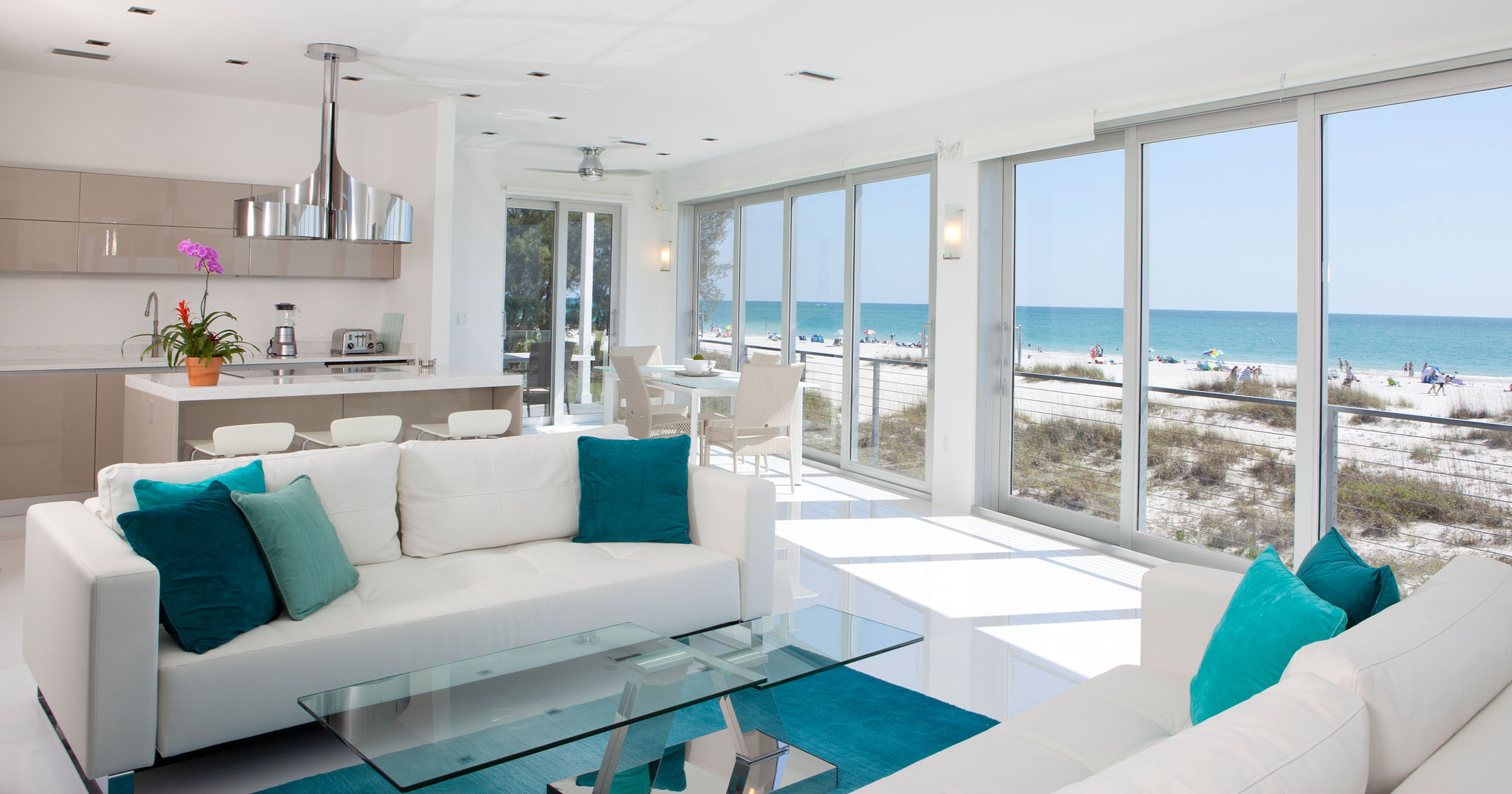
Assessing how you live and what you value most is the foundation of a personalized home. Start by listing the activities and routines that are central to your life. For instance, if you love to entertain, your home should cater to hosting gatherings seamlessly. This could mean integrating an open floor plan between your kitchen and living areas or incorporating an outdoor terrace or patio designed for social events.
Data shows that open floor concepts can enhance the flow of gatherings by 15-20%, as they allow guests to move and interact freely. Including a large kitchen island could serve both as a meal prep area and a social hub, reinforcing this efficiency.
Create Spaces for Specific Hobbies
Personal interests should find their way into the design. For those passionate about fitness, a home gym is not just a convenience but a commitment to health. When planning this space, consider specialized flooring that supports equipment and reduces noise. Rubber or vinyl flooring can dampen sound and minimize floor damage — a practical necessity backed by engineers specializing in sports facility design.
Wine enthusiasts might consider designing a wine cellar. The market for wine storage has seen an impressive rise, with modular wine racks growing in popularity and offering customization options. That trend reflects homeowners’ increasing interest in bespoke wine storage that accommodates various bottle sizes and aesthetic preferences. Combining climate control systems ensures your collection is properly preserved, maintaining wine integrity by managing temperature and humidity.
Functional Entertainment Spaces
Given the increasing importance of personal comfort and social interaction within homes, integrating entertainment spaces has become crucial. Whether it’s a media room for movie nights or a game room for family fun, each space should be designed with purpose and precision. A media room benefits from soundproofing and blackout curtains, which enhance the viewing experience by minimizing external light and sound distractions. Using acoustic panels can further optimize sound quality, proving essential for movie buffs or audiophiles.
If games and interactive entertainment are your go-tos, incorporate versatile seating and ample storage solutions, ensuring that the space remains tidy and inviting.
Practical and Aesthetic Kitchen Designs
Kitchens often serve as the heart of the home, which makes designing them to suit your lifestyle vital. The layout should facilitate cooking and social interaction effortlessly. Adding double ovens or oversized refrigerators may accommodate food preparation for large groups. Consider integrating smart appliances that offer convenience and efficiency, like smart fridges or ovens with programmable functions.
Kitchen aesthetics are just as important. Modern design trends focus on sleek minimalism; however, your space should reflect personal taste. The use of timeless materials like marble or quartz for countertops combines both practicality and elegance.
Flexible Work and Learning Spaces
Recent studies suggest that as remote work continues to rise, so does the demand for functional home offices. These spaces need not be large but should provide an environment conducive to productivity. Essential elements include ergonomic furniture, sufficient natural and artificial lighting, and technology integration such as charging stations and Wi-Fi boosters.
For families, incorporating flexible learning spaces encourages an educational environment. These should be adaptable to age changes and include plenty of storage for books and supplies. Collaboration with an experienced architect can help conceptualize multifunctional areas that grow with your family’s needs.
Sustainable and Smart Home Integration
Sustainability remains a growing concern among homeowners. Building with eco-friendly materials like bamboo or recycled wood can reduce environmental impact. Additionally, smart home technologies, such as automated light systems or smart thermostats, contribute to energy efficiency and ease of use. Data reports suggest that homes equipped with smart tech can reduce energy bills by up to 30%, an attractive financial incentive alongside the technological appeal.
Consult with Experts
Translating lifestyle needs into architectural plans can be challenging without expertise. Engaging with professional architects ensures that your vision is feasible, cost-effective, and aligned with structural regulations. Architects bring diversified experience to cover the technical and aesthetic elements of home design, ensuring your ideas are achievable.
Takeaway
Designing a custom home that mirrors your lifestyle is an investment in both comfort and happiness. By thoughtfully identifying your needs and interests, consulting with professionals, and integrating innovative yet practical solutions, your home can become a space that truly feels made for you. Every brick laid reflects a part of your life, ensuring that when you enter your home, you’re embraced by familiar comfort and personalized elegance.