In the realm of luxury home building, size doesn’t always equal opulence. In fact, designing luxe small spaces can be as artful and rewarding as crafting expansive mansions. As urbanization increases and property owners lean toward efficiency, the expertise lies in maximizing every inch with sophistication. Here’s a deep dive into how to achieve luxury design within compact dimensions.
Prioritize Multifunctional Furniture
Small spaces benefit enormously from furniture that serves multiple purposes. A study by the National Association of Home Builders found that multitasking furniture is not just a trend but an evolving necessity. Consider a sofa bed or a coffee table that transforms into a dining surface. These pieces minimize clutter while offering flexibility. Brands like Resource Furniture have created designs blending form and function seamlessly, marrying style with practicality.
Leverage Vertical Space
When floor space is limited, vertical real estate becomes vital. Incorporating tall bookshelves not only adds storage but draws the eye upward, creating an illusion of greater space. The U.S. Department of Energy suggests utilizing vertical shelving to increase natural light and airflow, which is paramount in maintaining a luxurious ambiance.
Opt for Neutral Palettes
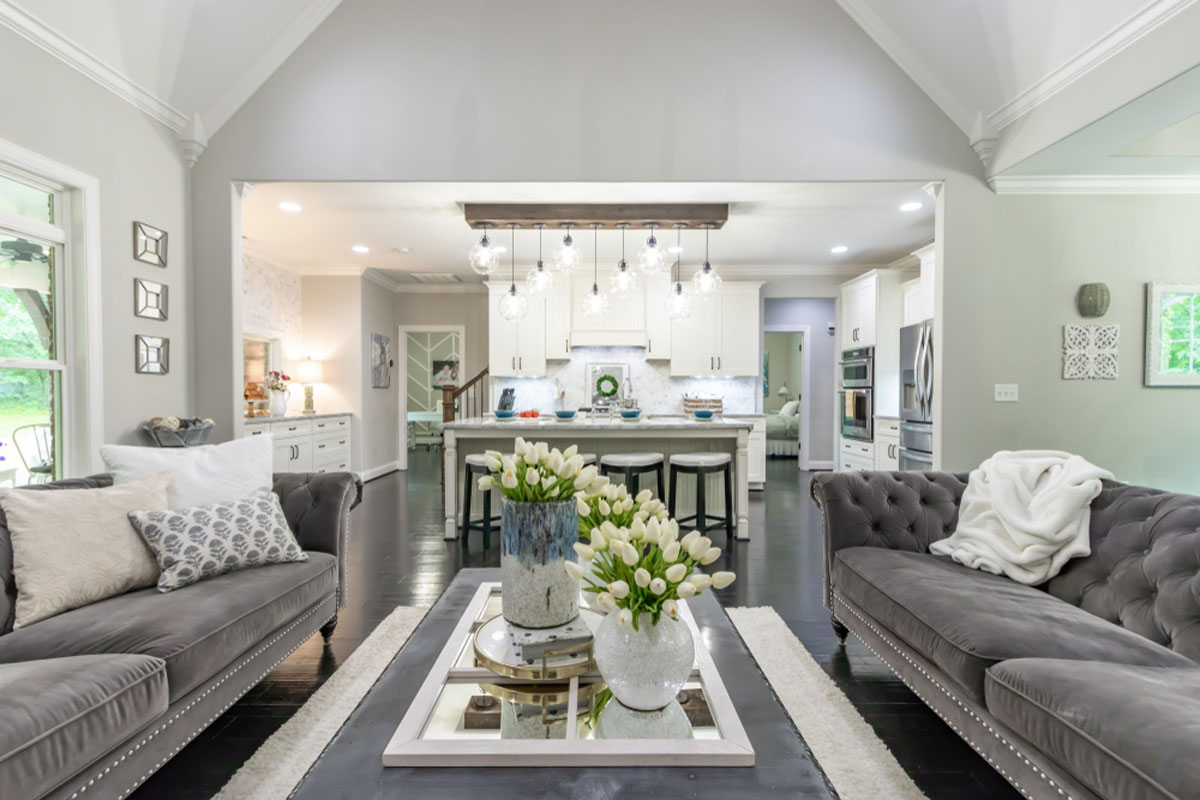
Color schemes play a significant role in the perception of space. Light, neutral shades amplify brightness and enhance the airy feel. A study from the World Journal of Environmental Research indicated that spaces with lighter colors tend to feel larger and more inviting. Incorporate varied textures—think pleats, marble, or polished concrete—to add depth without overpowering the room.
Integrate Smart Technology
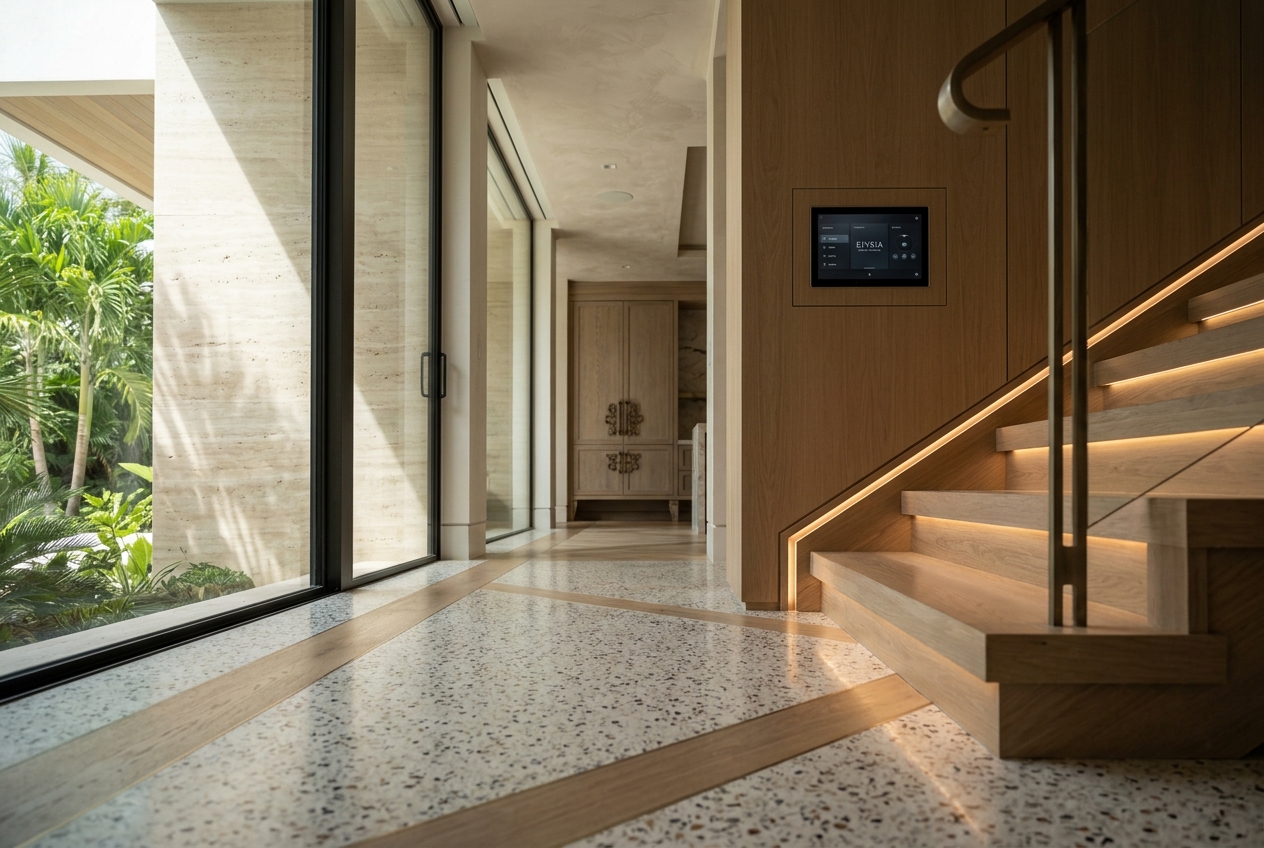
Modern luxury embraces technology that streamlines and simplifies home living. The global smart home market is projected to reach $135.3 billion by 2025, driven by demand for convenience and efficiency. Smarten up your small space with technology like automated lighting, smart thermostats, or voice-controlled assistants, reducing the need for physical controls and creating a sleek environment.
Enhance Natural Light
Natural lighting is a cornerstone of luxurious design. Architectural Digest emphasizes that large windows, strategically placed mirrors, and sheer drapes can magnify light, making spaces seem expansive. Skylights and glass doors also seamlessly merge the indoor with the outdoors, further expanding perceived space.
Choose a Clean, Minimal Aesthetic
Minimalism is synonymous with luxury—it’s the art of selective curation. Limit decorations to key pieces to prevent overwhelm. According to Houzz, removing superfluous items forces a focus on quality and craftsmanship, critical elements in conveying luxury. This approach also supports environmental sustainability by reducing excess consumption.
Utilize Built-In Storage Solutions
Built-in storage is a mainstay for optimizing tight spaces. Hidden compartments under benches, platform beds with drawers, or wall-integrated cabinets offer storage without bulk. The American Institute of Architects Home Design Trends Survey highlighted custom cabinetry as a forefront in maximizing functionality without compromising on aesthetics.
Craft Intimate Outdoor Areas
If your property includes even a modest outdoor section, consider crafting an inviting oasis. Lush planters, artful seating, and subtle lighting transform a small patio into a luxurious extension of indoor living. According to the Real Estate Staging Association, outdoor spaces can increase perceived property value, hinting at both comfort and exclusivity.
Pay Attention to Detail
In small luxury spaces, each detail matters. High-end finishes—such as brushed nickel fixtures or marble countertops—can elevate the perceived quality. According to a study by Harvard University, material quality significantly impacts overall satisfaction in small living conditions. Select finishes that are not only visually appealing but tactilely gratifying, reinforcing an air of refinement.
Personalize with Art
Art personalizes, adds character, and becomes a focal point even in compact settings. Choose pieces that resonate and evoke emotion, whether through a single statement artwork or a curated gallery wall. The Art Market 2020 report by Art Basel underscores a growing appreciation for investing in art as home décor, reinforcing cultural sophistication.
Conclusion
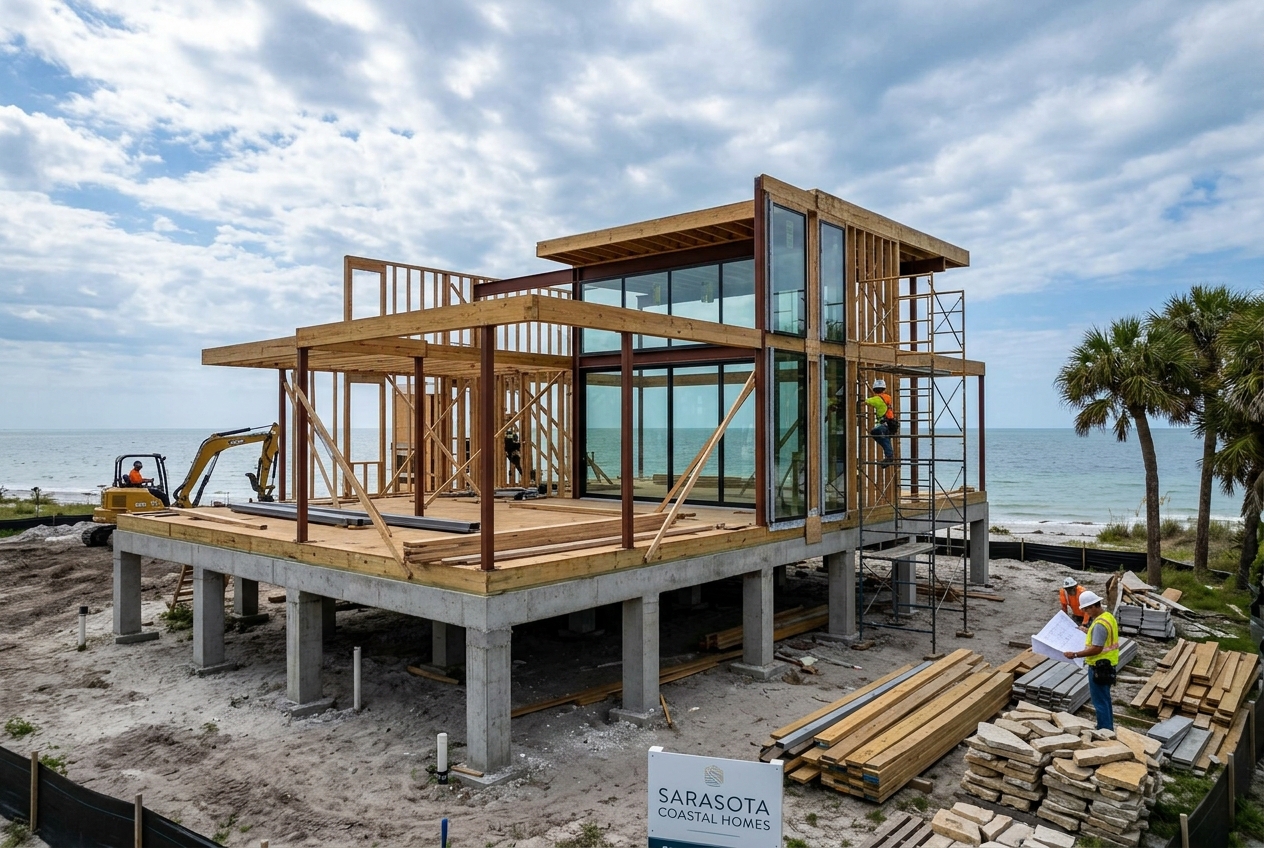
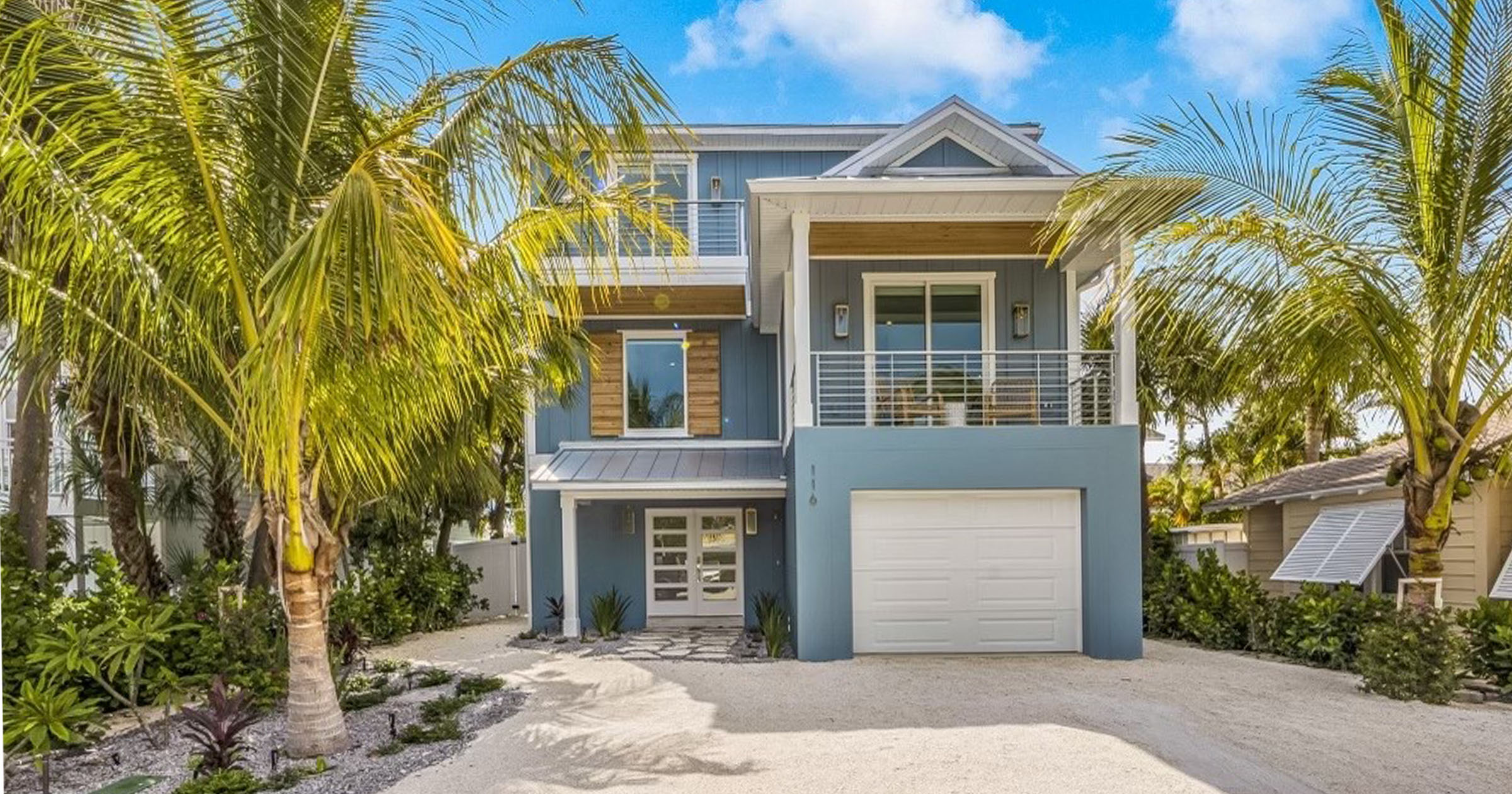
Designing luxury into small spaces combines creativity, precision, and strategic thinking. By prioritizing multifunctionality, leveraging verticality, selecting neutral palettes, and integrating technology, you can transform compact areas into sophisticated retreats. These principles don’t just make spaces feel grander; they make them uniquely yours, celebrating personalized luxury where every square foot counts. Whether you’re building a custom home on beautiful Siesta Key or remodeling an urban condo, the challenge is the same: to craft environments that echo grandeur, regardless of size.